
argos postage boxes
Showing the single result
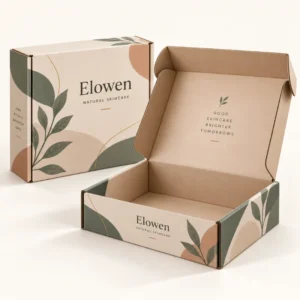
The phrase argos postage boxes is used by shoppers who expect to pick up a postal box quickly, often for a gift, a return or a small batch of parcels, rather than ordering a large trade quantity. In practice, the search covers plain postal and parcel boxes in a limited range of sizes, so the key question is not the store name but whether a particular box fits the product, protects it well and posts in the format you expect. This guide explains how to judge that fit before you buy.
What argos postage boxes usually means in practice
High street buying suits short notice needs. You may need a box today for a birthday gift, a returned item or a single online sale, and a small pack from a local store solves that problem without waiting for a delivery of packaging. The trade off is range: a high street pack is likely to offer a few general sizes, while a specialist supplier offers a wider choice of depths, board grades and printed designs.
That limited range works well for standard items, such as a book, a small gift set, a scarf in a retail carton or a compact gadget. It works less well for unusual shapes, very fragile items or a product range that needs the same box every week. In those cases, a box chosen for convenience may need extra padding, or may be larger than ideal, which can push the finished parcel into a higher postal format.
When a high street pack is the right choice
A small pack is the right choice when you need one or two boxes, when the product is a standard shape, and when you can check the size against the product before posting. It also suits a first test, because you can pack the real item at home, check the lid and corners, and decide whether that size is worth repeating.
When to look beyond a general pack
Look beyond a general pack when you post the same product regularly, when the product is fragile or valuable, or when presentation matters to the customer. A custom printed mailer made to an approved size and design gives consistent fit and branding, and it avoids the variation that can occur when general packs change between batches.
Choosing the right size from a limited range
Because the size choice may be limited, measuring becomes even more important. Measure the product at its longest, widest and tallest points, including any gift wrap, retail carton or protective sleeve. Compare that with internal box dimensions, and allow a small margin for padding. If the only available box is larger than ideal, use light void fill to stop movement, but avoid overfilling, which can distort the box.
Depth is often the deciding factor. A shallow box suits flat gifts and documents, while a deeper box suits a boxed gift, a mug in protective wrap or a set of small items together. If the lid bulges, the box is too shallow for that combination, even if length and width look correct. Choose the next depth up rather than forcing the lid closed.
Board strength for gifts and returns
Most general purpose postal boxes use single wall corrugated board, which suits light and medium items. A mug, a candle in a jar or a heavier gift may need stronger board or extra internal protection, such as bubble wrap around the item and void fill around it. Check the flaps and corners after packing, because a box that feels flimsy when empty may still perform well once taped, but a box with crushed corners should not be used for a fragile item.
Protecting a gift inside a plain box
Wrap the gift separately, so it looks considered when the outer box is opened, and add tissue or light padding to stop it shifting. Keep the address label on the largest flat face, and avoid tape across the centre of the lid where it may damage gift wrap when the parcel is opened. For a return, the same care matters, because the recipient needs to inspect the item in good condition.
Postal formats and the finished parcel
The finished parcel decides the postal format, not the box name. A flat box may stay within a large letter format if the packed parcel is thin and light enough, while a deeper box will usually be a small parcel. Royal Mail format limits give a useful starting point: a large letter is usually capped at about 353 mm by 250 mm by 25 mm and about 750 g, while a small parcel is usually capped at about 450 mm by 350 mm by 160 mm and 2 kg. Confirm current Royal Mail guidance before posting, because limits and services can change.
Weigh the finished parcel after taping and labelling, and measure its thickest point. A parcel that is close to a limit should be checked again after adding a label, because labels and tape add a small amount of bulk. If the parcel is over a format limit, posting it as the larger format is safer than hoping it will pass through sorting unnoticed.
Packing for a return journey
Returns need a box that can survive two journeys, or a fresh box for the return leg. Keep the original box if it is still strong, remove old labels, and repack with fresh padding. If the original box is crushed or damp, use a new box, because a weakened box is a common cause of return damage.
Labelling a return clearly
Place the return label flat on the largest face, cover or remove the original address, and keep the label away from seams. A clear label reduces delays and reduces the chance that the parcel is returned to the wrong address. Photograph the packed parcel before posting a valuable return, so you have a record of how it was packed.
Argos postage boxes and a custom printed alternative
This page discusses the packaging type behind the search term. It does not claim that this site sells that retailer’s own branded range, and it does not link to that retailer. A custom printed route from a specialist supplier suits sellers and gift brands that want the same box, print and board quality for every order, rather than a general pack that may vary.
For custom printed orders from this site, standard lead times after final artwork approval are 10 to 14 working days, and corrugated orders are 12 to 15 working days. Those lead times are for production after artwork approval, not a guaranteed delivery date. Plan a custom run ahead of a launch, a seasonal peak or a regular posting schedule, and keep a small stock of plain boxes for urgent single parcels in the meantime.
Deciding between a quick pack and a planned run
Choose a quick pack for an urgent gift, a one off return or a size test. Choose a planned run when you post the same products each week, when branding matters, or when you need a size that general packs do not offer. Many small sellers use both: a general pack for occasional items, and a custom mailer for their main product range.
A simple decision checklist
Ask whether the box fits without forcing the lid, whether the board suits the weight, whether the finished parcel format is acceptable, and whether you can repeat the same pack next month. If the answer to any question is no, test another size or consider a custom specification. A short test pack is cheaper than a shelf of boxes that do not fit.
Browse the shop range, request a tailored quote through get a quote, read the delivery information page, and compare with a5 postage boxes, and check the Royal Mail size guidance.
Frequently asked questions
What sizes do argos postage boxes usually cover?
General high street packs usually cover small to medium parcel sizes for gifts, books and small household items, rather than a full trade range. Check internal length, width and depth for the specific pack, because size names alone do not guarantee a fit for your product.
Can a high street postal box be used for an online sale?
Yes, if it fits the product, protects it well and posts in an acceptable format. For repeat sales, check that you can obtain the same size again, or consider a custom mailer for consistency. Test pack the real product before using a new box for customer orders.
How do I protect a fragile gift in a plain postal box?
Wrap the item separately, add light void fill to stop movement, and choose a board strength that suits its weight. Avoid packing so tightly that the lid bulges, and tape seams and closures securely. A handling mark helps, but it does not replace good internal packing.
Should I keep spare postal boxes at home?
Keeping a small number of flat packed boxes in two useful sizes helps with gifts and returns, provided they are stored flat and dry. Avoid stockpiling many sizes you rarely use, because stored board can become damp or crushed, and a weakened box should be recycled rather than reused for a fragile item.