
where to buy postage boxes
Showing the single result
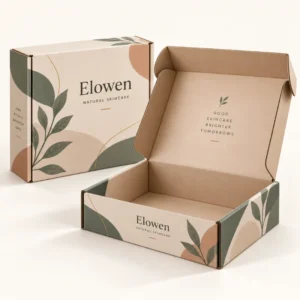
If you are asking where to buy postage boxes, start with a packaging supplier that offers the right size, board strength and print options for the items you post most often. A good supplier will help you match the box to the parcel format, protect the contents in transit, and present your brand well when the parcel arrives. For a business that posts regularly, custom printed boxes can also turn every delivery into a recognisable part of the brand.
How to choose where to buy postage boxes
The best place to buy depends on volume, product type and how much presentation matters. A small seller posting a few orders each week may need a flexible range of stock sizes, while a growing ecommerce business may benefit from a consistent box style across all orders. In both cases, the box must fit the product closely, close securely and survive handling, stacking and sorting. Start by listing your most common products, their weights and their packed dimensions, then look for boxes that leave only a small amount of spare space around each item.
Custom printed postage boxes are worth considering once your order volume is steady. Print can carry a logo, a simple pattern, handling guidance or a short message inside the lid. A clean printed design helps a parcel look intentional rather than improvised, and it can reduce the need for extra outer packaging or separate branded inserts. Before you commit to print, check the artwork requirements, the proofing process and the lead time after final artwork approval, so the launch date for new packaging is realistic.
What to check before you order
Board grade is one of the first details to confirm. Single wall corrugated board suits light parcels such as clothing, books and soft goods. Double wall board gives extra crush resistance for heavier items, fragile goods and parcels that may sit at the bottom of a stack. If you post glass, ceramics or electronics, ask about inserts, dividers and void fill that stop movement inside the box. A box that looks right on a shelf can still fail in transit if the product can slide, knock against a corner or press against the lid.
Size, weight and parcel format
Measure the product, not just the box you used last time. Record length, width, height and weight after packing, including any protective wrap. Then compare those packed dimensions with the parcel formats used by your carrier. A box that is only a few millimetres too deep can move an order into a different parcel category, so a careful size check can save repeated postage costs. Keep a short size guide for your packing team, with one recommended box for each common product group, and review it when a product changes.
Types of postage boxes to compare
Standard postal boxes with a regular flap closure suit a wide range of parcels and are simple to tape and label. Mailer style boxes with a tuck in front flap give a neater opening experience and are popular for subscription orders, gifts and posted orders. Die cut boxes that arrive flat and fold into shape can speed up packing and reduce storage space, which matters in a small packing room. For very flat items, a shallow postal box or a rigid mailer may be a better fit than a deep carton, because it stops the item moving and keeps the parcel slim.
Colour and finish also affect the first impression. Brown kraft board has a practical, natural look and suits many everyday parcels. white postage boxes give a cleaner canvas for print and suit gift, beauty and premium posted orders. A matte finish can soften bright print, while a gloss finish can make colours look richer, so ask for a sample or a printed proof if colour accuracy matters for your brand. The finish should also accept labels and tape without peeling, smudging or lifting at the edges.
Buying for a business that posts every day
Daily posting rewards consistency. Use the same box style for the same product, keep stock levels visible, and agree a reorder point before you run out. Flat packed boxes save storage space, but they still need a dry, clean area away from damp and heavy stacking. Train packers to fold, tape and label in the same way, and check a packed parcel from time to time by opening it after a test drop or a short journey. Small changes, such as a better tape seal or a correctly sized insert, often improve protection more than a thicker box alone.
Working with a custom packaging supplier
A custom supplier should ask about your products, your carrier, your artwork and your storage space before recommending a box. That conversation is a useful test of expertise. You can request a quote for custom printed postage boxes once you know your sizes, quantities and print ideas. Standard lead times after final artwork approval are 10 to 14 working days, corrugated boxes are 12 to 15 working days, and rigid or specialist boxes are 13 to 16 working days. These are production lead times, not a guaranteed delivery date, so allow time for artwork approval and delivery planning.
Where to buy postage boxes for different needs
Online packaging suppliers suit buyers who want to compare sizes and order quickly. Trade suppliers may suit larger volumes and repeat orders with a fixed specification. A custom manufacturer suits a brand that needs a specific size, a printed design or a structural feature that stock boxes do not offer. If you sell on a marketplace, check whether the box needs to carry a returns label, a packing note or a branded insert, and choose a style with enough flat space for labels that can be read easily by sorting staff.
Sustainability is another practical buying point. Cardboard postal boxes are widely recyclable in the UK, and many buyers prefer board with recycled content. Ask what board is used, whether print inks and tapes are suitable for recycling, and whether the box can be reused by the recipient for a return. Avoid oversized boxes and excessive void fill, because a well fitted box protects the product, uses less material and often costs less to post. A supplier that can explain board choice in plain language is usually easier to work with over time.
Common mistakes when buying postage boxes
One common mistake is choosing a box by outer size alone and forgetting the space taken up by inserts and protective wrap. Another is using one large box for every product, which increases postage costs and leaves fragile items free to move. A third mistake is ordering printed boxes before testing an unprinted sample with the real product, tape and label. A short trial run can reveal a tight fit, a weak seal or a label position that covers important print, before a full order is produced.
A simple buying checklist for your next order
Write down the product, the packed size, the weight, the carrier format and the print you want, then compare at least two box styles against that list. Check the board grade, the closure, the label area and the storage requirements. If you need help choosing, browse the packaging shop and then speak to the supplier about any size that sits close to a parcel limit. You can also read more on the about Personalized Mailer Boxes page to understand how custom orders are handled.
Frequently asked questions
Where can I buy postage boxes in the UK?
You can buy postage boxes from online packaging suppliers, trade packaging suppliers and custom box manufacturers in the UK. Choose a supplier that lists internal dimensions, board grade and closure style clearly, and that can advise on sizes for your carrier and your products.
What size postage box should I choose?
Choose the smallest box that fits the product plus its protective packaging without forcing the flaps closed. Measure the packed product, compare it with your carrier parcel formats, and test a sample before ordering in volume.
Are custom printed postage boxes worth it?
Custom printed postage boxes are worth it when you post regularly and want a consistent brand presentation. Print can carry a logo and simple handling guidance, and it can reduce the need for extra branded inserts inside the parcel.
How long do custom postage boxes take to produce?
Standard lead times after final artwork approval are 10 to 14 working days, corrugated boxes are 12 to 15 working days, and rigid or specialist boxes are 13 to 16 working days. These are production lead times, not a guaranteed delivery date.
Can I check Royal Mail parcel sizes before ordering?
Yes, check the current parcel formats before you finalise a box size, especially if a box sits close to a size or weight limit. See the Royal Mail UK parcel size guidance for the formats used for UK services.