
vinyl record postage boxes
Showing the single result
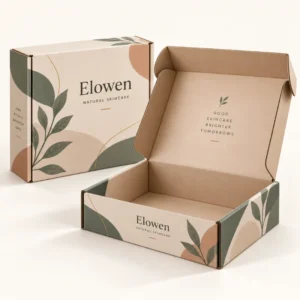
For sellers posting singles, LPs and multi record sets, vinyl record postage boxes are the flat, rigid mailers that prevent bending and corner damage. They come in different footprints and depths, so a seller can match the box to the format, the number of records and the value of the pressing. Choosing the right box from the range matters more than adding extra padding to the wrong one.
How vinyl record postage boxes cover every format
A 7 inch single, a 10 inch record and a 12 inch LP each need a different footprint. Using a 12 inch mailer for a 7 inch single leaves the small record free to move, while using a small mailer for a large LP risks crushing the sleeve when the flap is forced shut. Keeping separate stock for each format is simpler, and it reduces packing errors during busy periods.
Singles, LPs and box sets compared
Singles are light but still vulnerable to bending, so a slim rigid mailer with a snug fit works well. Standard LPs need a square mailer with enough depth for the sleeve and any inserts, booklets or download cards. Box sets are heavier and often thicker, so they may need a deeper mailer, a double wall box, or an outer box around a snug inner mailer. The best choice depends on thickness, weight and how much the set is worth to the buyer.
Adjustable depth mailers for mixed orders
Adjustable depth mailers fold at scored lines to suit one, two or three records. They help sellers who post mixed orders without holding a separate box for every possible combination. Check that the folded depth is even and that the flap seals flat, because an uneven fold can create a weak point at one corner.
Board types and what they are good for
Corrugated board is the standard material for record postage boxes because it is rigid, light and easy to recycle. Single wall board suits everyday singles and standard LPs. Double wall board adds strength for box sets, signed copies and international orders. White board gives a bright, clean surface for print, while kraft board gives a natural look that many independent labels prefer.
When to step up to stronger board
Step up when the contents are valuable, fragile or heavy, or when the parcel will pass through several sorting stages. A stronger box costs a little more in materials and weight, but it can prevent a damaged sleeve, a return and a disappointed customer. For routine orders, a well packed single wall mailer with stiffeners is often enough.
Packing vinyl record postage boxes for safe delivery
Packing well is a routine, not a one off effort. Start with the record protected in an inner sleeve, keep the outer sleeve flat, and centre everything in the box. Add stiffeners on both sides for valuable records, close the box without bulging it, and seal with strong tape along the main seam and the ends. A consistent routine also speeds up packing and reduces mistakes.
Protecting sleeves, inserts and artwork
Sleeves suffer most from pressure, movement and moisture. Keeping the vinyl separate from the outer sleeve, or behind the jacket in its own inner sleeve, reduces seam splits. Inserts and booklets should sit inside the sleeve or flat against it, not loose in the box where they can slide and crease. If a parcel may face rain, a thin protective wrap around the record can add peace of mind, provided it does not make the box bulge.
Sealing and labelling for sorting
Seal the full length of the opening, not just the centre, and make sure the label sits flat on the largest panel. Avoid placing the label over a seam, a fold or a taped edge, because a creased label can be harder to scan. Clear handling words help, but the box structure and the seal carry most of the responsibility for safe arrival.
Posting multiple records in one box
When several records share one box, stack them flat with stiffeners at the front and back of the stack, not between every record unless the sleeves need separation. Keep the stack centred, fill any small gap with flat packing material that will not shift, and check that the box closes without pressure. If the stack is heavy, consider splitting it into two parcels rather than forcing one overfilled box.
Weight, size and carrier limits
Measure and weigh the finished parcel before choosing a service. A box that fits one service band may move into another once stiffeners, tape and a label are added, so always measure the sealed parcel. The Royal Mail size and weight guide gives current limits for letters and parcels, and it is worth checking before a large release or a sale event.
Print, branding and buying vinyl record postage boxes
Print can turn a functional record box into a recognisable part of a label or shop. A logo, a colour panel or a short message inside the flap can make an unboxing feel deliberate. Keep print away from the label area, and test a sample with a real address label to confirm that the address stays easy to read at a glance.
What to specify when ordering
Be clear about format, footprint, depth, board type, print area and quantity. State whether the box is for singles, LPs or box sets, and whether it needs to hold inserts or a booklet as well. Sharing a sample sleeve, or its exact measurements, helps a supplier recommend a box that fits first time. You can request a quote for custom packaging once those details are settled.
Artwork and sample checks
Check artwork at real size, confirm that text does not sit on a fold, and order a sample packed with a real record before committing to a large run. A sample reveals fit, print quality and seal strength in a way that a flat proof cannot. It also lets you test the packing routine your team will actually use.
Lead times, storage and stock planning
Record boxes usually arrive flat, so they are easy to store in a small space, but they still need a dry, flat storage area to keep board in good condition. Plan orders around releases and sales peaks, and keep a reserve of your most used size. Standard lead times after final artwork approval are 10 to 14 working days, corrugated lead times are 12 to 15 working days, and rigid or specialist lead times are 13 to 16 working days. These are planning guides, not a guaranteed delivery date. See the delivery information for custom orders for more detail, and browse the full shop range for other packaging styles.
Keeping stock organised by format
Label shelves or storage areas by format and depth, and keep singles, LPs and box set boxes apart. That simple step prevents a packer reaching for the wrong size during a rush, and it makes stock counts faster at the end of a busy week.
Frequently asked questions about vinyl record postage boxes
Which vinyl record postage boxes suit a 7 inch single?
Use a slim mailer made for the 7 inch format, with a snug fit that keeps the single flat. A larger LP mailer leaves too much room and increases the risk of movement.
Can one box hold a multi LP set?
Yes, if the depth suits the total thickness of the set and the box closes without bulging. For heavy or valuable sets, a stronger box or an outer box around a snug inner mailer is often safer.
Are adjustable depth boxes reliable?
Yes, when they are folded evenly at the scored lines and sealed flat. Test one with your thickest typical order before using that style for a full release.
What is the best way to protect a signed sleeve?
Use a strong box, stiffeners on both sides, and a packing routine that keeps the sleeve flat and centred. Avoid any packing step that presses directly on a signature or a delicate finish.
Should I weigh the parcel after packing?
Yes. Weigh and measure the sealed parcel, then compare it with the current carrier guidance. That check avoids surprises at the point of posting.