
vinyl postage box
Showing the single result
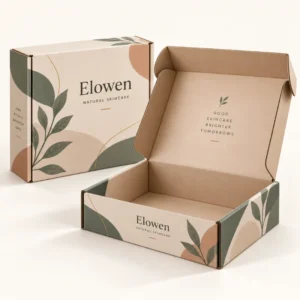
A vinyl postage box is a flat, rigid mailer made to carry a vinyl record through the postal system without bending, scuffing or corner damage. It holds the record snugly, keeps the sleeve flat, and gives the parcel a clean surface for a label. For a single LP, a well chosen mailer is often the difference between a record that arrives ready to play and one that arrives with a dented corner.
What makes a vinyl postage box different
Most general postal boxes are deeper than a record needs, so the record can slide, tilt or press against a corner. A vinyl postage box solves that problem by matching the square shape of an LP sleeve. The shallow depth keeps movement to a minimum, while rigid board helps the parcel resist bending when it is stacked, sorted or carried in a bag with other mail.
The shape and depth that protect a record
A 12 inch LP sleeve is close to square, so the mailer should be only slightly larger than the sleeve itself. Too much spare room lets the record shift, while too little room makes packing awkward and can crush an edge when the flap is closed. A depth that suits one or two records is usually enough for a standard single, whereas a thicker box set will need a deeper mailer or a separate outer box.
Why a snug fit matters more than extra padding
Padding helps, but it cannot correct a mailer that is far too large. A snug mailer keeps the record centred, so impact is spread across the board rather than concentrated on one corner. If you add stiffeners, place one on each side of the record so the sleeve is protected from both directions.
Materials used for record mailers
Corrugated board is the usual choice because it combines rigidity with light weight. Single wall board suits many single records, while double wall board gives extra resistance for valuable pressings, signed sleeves or records travelling a longer distance. Kraft board has a natural, uncoated look that suits independent labels, while white board gives a cleaner surface for print and labelling.
Choosing board strength for the journey
Think about handling, not just distance. A short local delivery still involves sorting, stacking and doorstep handling. For a rare or high value record, choose stronger board and add corner protection. For a standard new pressing, a well made single wall mailer with stiffeners is usually sufficient.
How to pack a vinyl postage box well
Good packing starts before the record goes into the mailer. Remove the vinyl from the outer sleeve if you can, or place it in a separate inner sleeve behind the jacket, so the record cannot press a seam or edge into the artwork during transit. Keep the sleeve flat, centre it in the mailer, and add stiffeners if the mailer does not already provide enough rigidity.
A simple packing routine for one LP
Place the record, in its inner sleeve, against the back panel of the mailer. Add a stiffener on each side, close the mailer without forcing the flap, and seal the opening with strong tape. Tape across the main seam, then add a second strip at each end if the mailer will travel through a busy sorting system. The label should sit flat on the largest panel, clear of seams and folds, so it can be scanned easily.
Labels, tape and handling marks
Use clear handling wording such as Fragile and Do Not Bend, but do not rely on wording alone. The structure of the mailer and the quality of the seal do most of the protective work. Keep the address label flat and fully visible, and avoid wrapping tape over any part of the label or barcode.
Common packing mistakes to avoid
The most common mistake is using a mailer that is too large and filling the spare space with loose material that shifts in transit. Another is sealing a mailer that is bulging, which puts pressure on the corners and makes the parcel harder to stack. A third is posting a record without stiffeners in a thin mailer, which leaves the sleeve exposed to bending. Each of these is easy to avoid once the right size has been chosen.
Testing the pack before you post at scale
If you sell records regularly, pack one test parcel exactly as a customer parcel would be packed, then shake it gently, stack a similar parcel on top, and check the corners and sleeve after opening. That short test often reveals a loose fit or a weak seal before it affects a real order.
Sizes, print and ordering considerations
Record mailers are commonly discussed in terms of 7 inch singles, 10 inch records and 12 inch LPs. Each format needs its own mailer size, because a mailer made for a 12 inch LP will leave a 7 inch single swimming in spare space. If you sell several formats, keep separate stock for each, or use an adjustable depth mailer that folds to suit the number of records inside.
Print and presentation for sellers
Print turns a plain mailer into part of the brand experience. A logo on the outer panel, a short message inside the flap, or a consistent colour scheme can make an order feel considered without adding bulk. Keep print clear of the label area, and test a printed sample with a real label to make sure the address remains easy to read. You can browse the full shop range for packaging styles that suit different products.
Artwork checks that prevent disappointment
Check that text is legible at the size it will actually be printed, that colours look right on the chosen board, and that important details are not placed where a fold or seal will hide them. A physical sample, packed with a real record, is the best way to judge both print and protection together.
Lead times and planning a custom order
For custom mailers, allow time for artwork approval, production and delivery, and order before a release or a busy sales period. Standard lead times after final artwork approval are 10 to 14 working days, corrugated lead times are 12 to 15 working days, and rigid or specialist lead times are 13 to 16 working days. These are planning guides, not a guaranteed delivery date, so build in a buffer for releases, promotions and seasonal peaks. Full details are on the delivery information for custom orders page, and you can request a quote for custom packaging once sizes and quantities are clear.
Quantities and storage
Record mailers usually store flat, which helps small shops and home sellers keep stock without taking up much room. Order enough to cover a release plus a sensible reserve, but avoid over ordering a size that only suits one format. Flat storage also keeps board in better condition than storing made up boxes in a damp or crowded space.
Frequently asked questions about vinyl postage box
What size vinyl postage box do I need for a 12 inch LP?
Choose a mailer slightly larger than the LP sleeve, with a depth suited to the number of records inside. A snug fit protects corners better than a large mailer filled with loose padding.
Should I remove the vinyl from the sleeve before posting?
Removing the vinyl, or placing it in a separate inner sleeve behind the jacket, helps prevent seam splits and ring wear during transit. It is a sensible step for new and collectable records alike.
Do I need stiffeners as well as a record mailer?
Stiffeners add useful rigidity, especially for valuable records or longer journeys. Place one on each side of the record so the sleeve is protected evenly.
Can a vinyl postage box be printed with my brand?
Yes, print can be applied to the outer panel, the inside flap, or both, subject to the chosen board and print area. Keep the label area clear so the address remains easy to scan.
How do I check Royal Mail size limits before posting?
Measure the finished, sealed parcel, including the label area, and compare it with the current guidance in the Royal Mail size and weight guide. Limits can change, so check before a large posting.