
UK manufacturing
Showing the single result
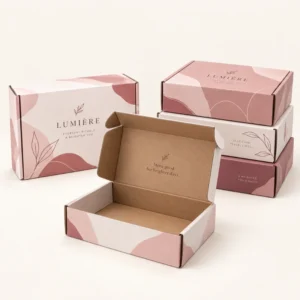
Uk manufacturing in packaging means boxes and related packaging are produced by a supplier based in the UK, with design, sampling and production handled closer to the customer. For buyers, uk manufacturing can mean clearer communication, faster samples, easier quality checks and a supply route that is simpler to understand. Whether it is the right choice depends on the product, the quantity, the timing and the level of control the buyer wants over materials and finish.
What uk manufacturing means for packaging buyers
Uk manufacturing is not a single factory type. It covers corrugated converters, carton makers, rigid box specialists, printers and finishers, often working as a chain rather than one site doing every step. A buyer may deal with one supplier that manages design, board, print and finishing, or with separate specialists for different parts of the job. Understanding who does what, and where each step happens, matters more than a simple label, because quality and timing depend on the whole chain.
For custom printed boxes, UK based production often brings practical advantages. Time zones match, samples can be sent and checked quickly, and artwork or specification changes can be discussed directly with the people making the boxes. That direct route helps when a product size changes, a colour needs matching or a structural problem appears on a sample. It does not guarantee a perfect result, but it shortens the feedback loop that catches problems early.
Communication and sampling advantages
Clear communication is one of the strongest reasons buyers choose a UK supplier. A brief can be discussed in a call, a sample can be reviewed in person or by fast post, and a revised sample can follow without a long international delay. That speed matters for launches, seasonal ranges and products with tight artwork deadlines. It also helps smaller brands, which may need more guidance on board, print and inserts than a large buyer with an in house packaging team.
Quality checks that are easier locally
When production is local, a buyer can ask for a pre production sample, check colour on the actual board, test the fit with the real product and approve the sample before the full run. That sample stage is where most costly mistakes are caught, from a lid that does not close to a colour that looks different on kraft board. A local route makes that stage easier to repeat if the first sample needs revision, and it makes it easier to keep a reference sample for future reorders.
Materials, compliance and sustainability in uk manufacturing
UK packaging suppliers work with paper board, corrugated board, rigid board, inks, coatings and finishes, and they can usually explain the recycling route for each material. Paper based packaging is widely recyclable in the UK, and choosing paper inserts and paper based tape keeps a parcel simpler to recycle. For food contact packaging, additional compliance applies, and a supplier should be able to explain which materials and coatings are suitable for the intended use. Ask about material origin and recycled content if those points matter for the brand story, and ask for evidence rather than a general claim.
Businesses that supply or import packaging may also have duties under extended producer responsibility for packaging in the UK. The GOV.UK collection linked below explains who may be an obligated producer and what large and small producers must do, including registration and reporting. Checking that guidance early helps a buyer understand its own duties, separate from the supplier’s duties, and it avoids a surprise when a packaging volume grows.
Lead times and planning
Lead times for custom boxes depend on construction, not just location. After final artwork approval, standard boxes are usually made in 10 to 14 working days as a guide, corrugated boxes in 12 to 15 working days, and rigid or specialist boxes in 13 to 16 working days, none as a guaranteed date. A UK route can help with sampling and delivery planning, but it does not remove the need to allow time for artwork, sampling and revisions. Plan backwards from the launch or dispatch date, and confirm timing at quote stage.
Questions to ask a UK supplier
Ask where each production step happens, what board and print options are available, and what a sample will show before the full run. Ask about minimum quantities, because a UK specialist may suit medium runs better than very small test runs or very large commodity runs. Ask about finishes, inserts and outer cartons for posting, and ask how reorders are handled so colours and sizes stay consistent. A supplier that answers those questions clearly is usually easier to work with over multiple orders.
When uk manufacturing may not be the best fit
Uk manufacturing may not suit every brief. Very large commodity orders, highly specialised materials that are only made overseas, or a product that is assembled abroad may be better served by a different route. Cost also varies by specification, quantity and finish, so a UK quote should be compared on total value, including sampling, quality, delivery reliability and the risk of rework, not on a single unit figure alone. For some buyers, a UK supplier for custom printed boxes plus a separate stock supplier for plain cartons gives the best balance.
For a custom printed mailer or presentation box, start with a clear brief and a sample. You can about the company to learn more about the team behind this site, and you can request a custom quote with dimensions, quantity and artwork ideas to test whether a UK based custom route fits your product and timing.
Building a reliable supplier relationship
Keep a reference sample, a written specification and artwork files for each box, so reorders match the first run. Note board grade, print colours, finishes and insert dimensions in one place, and share that specification with any new contact at the supplier. That record protects consistency when staff change on either side, and it makes it easier to add a new size or a seasonal variant without starting the design conversation from scratch.
Local supply and resilience
A local supply route can be more resilient to international shipping delays, because fewer borders and fewer long haul legs are involved. It can also make it easier to order smaller top up quantities when stock runs low, rather than holding a large safety stock. Resilience still depends on board supply and on the supplier’s own capacity, so ask about capacity at peak times and about what happens if a board grade is temporarily unavailable.
Frequently asked questions
Does uk manufacturing mean every step happens in the UK?
Not always. It usually means the supplier is UK based and manages production in the UK, but some materials or specialist steps may come from elsewhere. Ask the supplier where each step happens for your specification.
Is UK made packaging always faster?
It can be faster for sampling and communication, but production time still depends on construction, artwork approval and quantity. Confirm the guide lead time for your box type at quote stage.
What should I ask about materials?
Ask about board grade, recycled content, print and finishes, food contact suitability where relevant, and the recycling route for the finished pack. Ask for evidence for any specific claim you plan to repeat on your own packaging.
Do I have packaging duties if I sell in the UK?
Businesses that supply or import packaging may have duties under extended producer responsibility. Check the GOV.UK guidance linked on this page to see whether you count as an obligated producer.