
postal packaging
Showing all 2 results
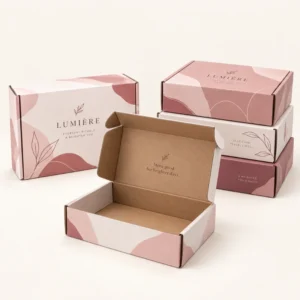

Postal packaging is the complete set of materials used to prepare a parcel for posting, from the outer box to the internal protection that keeps the product still. Good postal packaging protects the product, fits the posting service you use, and arrives looking clean and professional. When each part works together, damage falls, returns fall, and customers are more likely to order again.
What postal packaging includes
Postal packaging usually includes an outer box or mailer, internal protection such as paper void fill, tissue or inserts, and a secure closure such as tape or a seal strip. The delivery label and any handling notes sit on the outside, where they can be scanned easily. Each element has a job, and a weak link in any one of them can undermine the rest.
The outer box is the most visible part, so many businesses start with postal boxes or postal mailer boxes and then choose internal protection to suit the product. A strong outer box with poor internal packing still allows movement, while good internal packing in a weak box still risks crushing. Both need to be right.
Matching packaging to the posting service
Different posting services have different size and weight limits, and the packed parcel must fit the service you choose. Measure the finished parcel, not just the empty box, because wrapping, labels and outer tape can add a few millimetres. A parcel that is just over a size limit may be charged at a higher band or delayed, so leave a small margin where possible.
Letterbox friendly packaging suits slim items that can be delivered without a signature or a collection. Small parcel packaging suits bulkier orders, gift sets and multi item parcels. Choosing the right category at packing stage avoids re packing later and keeps delivery costs predictable.
A simple size check before posting
Pack a sample parcel exactly as you would for a customer, then measure length, width, depth and weight. Compare those figures with the limits for your chosen service, and note the result for the packing team. Repeat the check whenever you change the box, the insert or the product, because a small change can move the parcel into a different category.
Protective materials inside postal packaging
Paper void fill is versatile, recyclable and easy to use for most products. It fills gaps, cushions corners and stops movement without adding much weight. Tissue paper suits premium products and adds a layer of presentation, while cardboard inserts and dividers hold multiple items apart and keep the layout tidy.
Bubble wrap and foam give more cushioning for fragile items, but they should be used in proportion to the risk. Over packing with heavy protection adds weight and waste, while under packing leaves the product vulnerable. The aim is a snug, still load that survives a drop and a stack without damage.
Presentation as part of postal packaging
Postal packaging is also brand packaging. A clean box, a neat insert and a short thank you note make the delivery feel like part of the purchase, not just a transport container. Printed boxes, coloured tissue and a branded seal can all support that feeling, but they work best when they are consistent with the rest of the brand, from the website to the product itself.
Keep presentation practical. Tissue that tangles, inserts that are hard to remove and boxes that need scissors to open can frustrate customers, even if they look good in a photo. Test the opening experience yourself, and ask someone who has not packed the box to open it and describe what they notice first.
Sustainable choices in postal packaging
Cardboard boxes, paper void fill and paper tape are widely recyclable in the UK and are a good starting point for sustainable postal packaging. Avoid mixing materials that are hard to separate, such as plastic windows glued into cardboard, unless they serve a clear purpose. Clear guidance for the customer, printed inside the box or on the insert, helps the packaging be recycled correctly after use.
Ordering postal packaging on a quote basis
Custom postal packaging is supplied on a quote basis, because the outer box, print, inserts and quantity all affect the specification. Describe the products you post, the posting services you use and the presentation you want, and the quote can be built around that real packing need.
Standard printed boxes are normally produced in 10 to 14 working days after final artwork approval, while corrugated boxes are normally produced in 12 to 15 working days after final artwork approval. These timings are planning guides, not a guaranteed delivery date. See the range on the shop page and start an enquiry on the get a quote page.
For posting limits, check the Royal Mail small parcel guide. Businesses that place packaging on the UK market should also review the GOV.UK guidance on extended producer responsibility for packaging to understand any obligations that may apply.
Frequently asked questions
What counts as postal packaging?
Postal packaging includes the outer box or mailer, internal protection such as void fill or inserts, the closure, and the delivery label. Together these parts protect the product, keep it still in transit, and present it well on arrival.
How do I choose postal packaging for a new product?
Measure the wrapped product, consider its fragility and weight, and trial pack it in a box that is close in size. Add inserts or void fill until the product does not move, then check the finished parcel against the posting service limits.
Is cardboard postal packaging recyclable?
Cardboard and paper based postal packaging are widely recyclable in the UK. Remove tape, labels and non paper inserts before recycling, and avoid mixed materials where a paper only option would protect the product just as well.
Should postal packaging be branded?
Branding is worthwhile when it supports recognition and repeat orders, and when it can be done without compromising protection. A printed box or a branded seal is often enough, and it should match the brand used elsewhere.
Can I get postal packaging made to a custom size?
Yes. Custom sizes are useful when a standard box leaves too much empty space or puts pressure on the product. Share the product dimensions and the packing method when you request a quote, so the size can be matched accurately.