
monthly subscription boxes
Showing the single result
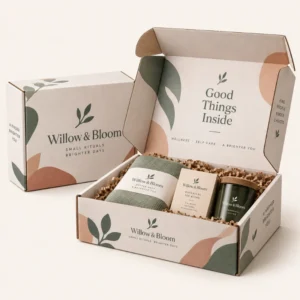
Monthly subscription boxes are curated packages sent on a regular cycle, usually once a month, containing a themed selection of products for the subscriber to discover, use or enjoy. The box itself is a central part of the experience, because it arrives at the home, carries the brand, and sets expectations before anything inside is revealed. A well designed version of monthly subscription boxes protects varied contents, looks consistent month after month, and makes the act of opening it feel like an event rather than an ordinary delivery.
Why monthly subscription boxes need a different approach
A one off gift box only has to work once, but a subscription box has to work every month, for different products, different seasons and sometimes different subscriber preferences. The size, structure and internal layout therefore need to be flexible enough to cope with variation, while still looking intentional and polished. If the box is too large for a light month, the contents will rattle and the parcel will feel empty. If it is too small for a full month, products will be squeezed, damaged or hard to remove. The best subscription boxes strike a balance, with a standard outer size and adaptable inserts, tissue or void fill that can be adjusted to suit each month’s selection.
Consistency also builds trust. Subscribers learn to recognise the box, they look forward to its arrival, and many share the opening on social media. That recognition depends on colour, print, material and finish staying the same across months, even when the products inside change. A sudden change in box quality or size can make a subscription feel less premium, even if the products themselves are just as good. Planning the box as a long term system, rather than a single month’s packaging, helps avoid that problem.
Types of subscription that use monthly boxes
Beauty and grooming subscriptions are among the best known, often combining full size and trial size products in a mailer that needs to protect bottles, jars and tubes without leaking or breaking. Food and drink subscriptions, including coffee, tea, snacks and baking kits, need boxes that protect against crushing and, where relevant, keep items separate and upright. Book subscriptions need a snug fit that prevents corners from bending, while craft, stationery and hobby subscriptions often contain a mix of flat and bulky items that benefit from dividers or small inner boxes. Pet, baby, wellness and lifestyle subscriptions each have their own mix, but they all share the same need: a box that arrives intact, opens easily and presents the contents in a clear order.
Some subscriptions are fully curated, where the brand chooses every item, while others allow subscribers to choose preferences or swap items. A box designed for a curated model can use a fixed insert layout, while a box for a flexible model benefits from a more open interior that can be packed in different ways. Thinking about that difference at the design stage saves a lot of repacking and improvisation later.
Designing for a mix of products each month
A practical interior might include a shallow tray or divider for small items, a main compartment for larger products, and tissue or paper fill to stop movement. Inserts made from card can be cut to hold bottles upright or to separate fragile items, and they can be changed month to month without changing the outer box. Labelling the order inside the box, for example by placing a card on top that lists the contents, helps subscribers understand the theme and find each item quickly.
Materials, print and the unboxing experience for monthly subscription boxes
Corrugated mailer boxes are a popular choice for subscriptions because they are strong, light and printable, and they can be sent without an outer carton. E flute board gives a smooth print surface and a neat appearance, while B flute board gives extra strength for heavier or more fragile selections. Kraft board suits natural and eco focused brands, while white board gives bright, clean print for bold designs. Rigid boxes give a more luxurious feel and are often kept and reused by subscribers, but they are heavier and take up more storage space, so they suit premium or quarterly ranges as well as monthly ones.
Print on the outside carries the brand on arrival and on the doorstep, while print on the inside creates the reveal. Many successful subscription boxes use a simple, recognisable exterior and a more detailed interior, with a pattern, a message or an illustration that appears only when the lid is lifted. A printed card, a short welcome note or a guide to the contents adds a personal touch without adding much weight. The key is to keep the experience consistent: the same colours, the same tone of voice and the same quality of print, month after month.
Protection, sustainability and packing efficiency
Protection starts with choosing a box that fits the heaviest likely month, not just the lightest. Bottles should be upright and separated, glass should be cushioned, and loose items should be contained so they do not scratch each other. Paper based void fill, tissue and card inserts are widely recyclable and easy for subscribers to dispose of, which matters for brands that promote sustainability. Avoid mixed materials that are hard to separate, and give a simple recycling note on the box or the contents card if it helps subscribers dispose of the packaging correctly.
Packing efficiency matters when hundreds or thousands of boxes go out in a short window each month. A box that folds quickly, has a clear closure and can be packed in a logical order will save time and reduce errors. Flat supplied boxes save storage space between cycles, but you need enough dry storage for the full monthly quantity, plus inserts and cards, without crushing the stock.
Planning the monthly cycle
Work backwards from your dispatch date. Allow time for product sourcing, box assembly, packing and quality checks, and build in a buffer for late deliveries or damaged stock. Keep a small reserve of boxes and inserts for replacements and for new subscribers who join mid cycle. A clear packing guide, with photographs of a correctly packed box, helps temporary staff pack to the same standard as your regular team.
Ordering custom subscription boxes and lead times
When you order custom subscription boxes, start with the range of products you expect to send, the heaviest and bulkiest combinations, and the experience you want subscribers to have on opening. Share those details, along with your artwork and any insert requirements, so the box can be designed around real products rather than a guess. A proof to approve before production is an important step, because it lets you check colours, text, logo placement and the fit of your products before a full run is printed.
Standard lead times after final artwork approval are 10 to 14 working days, while corrugated boxes are 12 to 15 working days and rigid or specialist boxes are 13 to 16 working days. These are guide times for planning, not a guaranteed delivery date, so place your order well ahead of your next dispatch window, especially if you are launching a new theme or a seasonal edition. You can explore the shop range, learn more on the about us page, check the delivery information page, or request a quote for your subscription packaging.
Frequently asked questions
What size should monthly subscription boxes be?
The size should suit the heaviest and bulkiest month you expect, with adaptable inserts or void fill for lighter months. A standard outer size with a flexible interior usually works better than changing the box size every month.
Are mailer boxes or rigid boxes better for subscriptions?
Mailer boxes are lighter, easier to store flat and well suited to regular monthly dispatch, while rigid boxes feel more luxurious and are often kept by subscribers. The right choice depends on your price point, product weight and brand positioning.
Can the inside of a subscription box be printed?
Yes, many subscription boxes are printed inside, outside or on both sides. Inside print creates a reveal on opening and is a popular way to strengthen the unboxing experience.
How far ahead should I order subscription boxes?
Order well ahead of your dispatch window, allowing time for artwork, proof approval and production. Standard lead times after final artwork approval are 10 to 14 working days, with corrugated boxes at 12 to 15 working days.