
medium postage box
Showing the single result
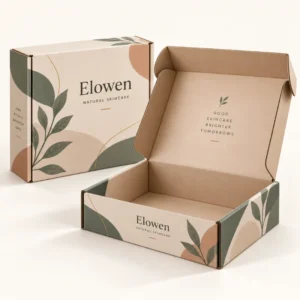
A medium postage box sits in the useful middle ground between a small letter box and a large shipping carton, giving enough room for clothing, books, cosmetics and small gift sets without leaving a large amount of empty space. It is the size many UK sellers reach for when an order is too large for a letter format but does not need a full sized shipping box. A custom printed version turns that everyday parcel into a branded delivery, so the customer sees your logo, colours and message before they even open the lid.
Why a medium postage box works for everyday posting
A medium size earns its place because it balances protection, postage efficiency and presentation. A box that is too large forces you to add extra void fill, which adds weight and waste, while a box that is too tight risks crushed corners and damaged contents. A medium postage box gives you room for a product, a layer of tissue or paper void fill, and a packing note, without making the parcel feel bulky or awkward to handle. For many sellers, that balance also helps keep parcels within a sensible size band for common UK delivery services, although you should always check the current size and weight limits for the service you plan to use before you commit to a size.
The shape matters as much as the overall size. A shallow medium box suits folded garments, flat gift sets and printed items, while a deeper version suits mugs, jars, bottles and grouped products. Think about how the customer will open the parcel too. A clean tuck closure or a simple tape seal both work well, but a box that opens neatly, with the printed interior visible, creates a much better first impression than a box that has to be cut open and torn apart.
What fits comfortably inside
Clothing is a natural fit. A folded jumper, a pair of trousers, two or three T shirts or a small bundle of baby clothes will usually sit neatly in a medium box, especially if the garments are folded rather than rolled into a tight bundle that springs open. Books are another good match, although books are heavy, so it pays to pack fewer books per box and to choose a stronger board when you are sending hardbacks. Cosmetics, candles in protective packaging, stationery sets, small electronics accessories and curated gift sets also work well, provided each item is held in place and cannot slide around in transit.
If you sell mixed orders, a medium box gives you flexibility without forcing you to hold a large range of sizes. You can use the same box for a single heavier item or for several lighter items grouped together, and you can adjust the internal protection to suit each order. That simplicity helps in a busy packing area, where staff need to pick a box quickly and pack it correctly every time.
Choosing the right depth for your products
Depth is often overlooked, but it decides whether a parcel looks professional or overfilled. Measure your tallest product, add space for protective material on the top and bottom, and use that total as your minimum internal depth. A box that closes flat, without bulging, is easier to stack, easier to label and less likely to split at the seams. If your products vary a lot in height, a slightly deeper box with adjustable void fill is usually more practical than a very shallow box that only suits one product.
Materials and print options for a medium postage box
Most medium postage boxes are made from corrugated board, which gives a good mix of strength, light weight and print quality. Single walled board suits lighter orders and everyday posting, while double walled board gives extra crush resistance for heavier or more fragile contents. Kraft board has a natural, uncoated look that suits eco focused brands, while a white coated board gives brighter, cleaner print results for bold colours and detailed artwork. Both options can be printed inside, outside or on both sides, depending on whether you want a simple logo on the outside or a full unboxing reveal on the inside.
Print finishes change how the box feels as well as how it looks. A matt lamination gives a soft, understated finish, a gloss finish makes colours look brighter, and a spot finish can highlight a logo or a short message. Foil can add a premium touch for gift ranges, but it works best when used sparingly, so the main design stays clear and readable. Whatever finish you choose, keep the most important information easy to read: your brand name, a short message and any handling guidance that helps the parcel arrive in good condition.
Strength, protection and sustainability
Strength is not only about board thickness. A well designed box with a good closure, clean folds and the right amount of void fill will protect contents better than a thicker box that is overfilled or poorly sealed. For fragile items, add a fitted insert or a divider so products cannot knock against each other. For heavier items, reinforce the base with extra tape and avoid packing books or other dense products right up to the weight limit of the board. Recycled board and paper void fill are widely used for medium postage boxes, and paper based packaging is easier for customers to recycle at home than mixed material packaging.
Packing tips that reduce damage and returns
Pack the heaviest item at the bottom, wrap fragile items separately, and fill any remaining gaps so nothing moves when the box is tilted. Seal the box with tape along the centre seam and across the ends if the contents are heavy. Add a clear address label on a flat surface, away from folds and tape joins, so it can be scanned easily. These small steps take only a few seconds per parcel, but they cut down on damage, lost time and replacement shipments.
Ordering and lead times for custom printed boxes
When you order custom printed boxes, the process usually starts with your artwork, box size and quantity, followed by a proof to approve before production begins. Checking the proof carefully matters, because colours, spelling and logo placement are much easier to correct at that stage than after printing. Standard lead times after final artwork approval are 10 to 14 working days, while corrugated boxes are 12 to 15 working days and rigid or specialist boxes are 13 to 16 working days. These are guide times for planning, not a guaranteed delivery date, so allow extra time around seasonal peaks and product launches.
It also helps to think ahead about storage. Medium boxes are usually supplied flat, which saves a lot of space, but you still need a dry area where they can be stacked without being crushed. Order in a quantity that matches your expected sales for the next few months, rather than holding a very large stock that may be damaged or become outdated if your branding changes. If you are unsure about size, test a small batch with real orders first, check how customers respond, and then settle on a standard size for your range. You can explore the shop range, learn more on the about us page, check the delivery information page, or request a quote for your own printed design.
Frequently asked questions
What is a medium postage box best used for?
A medium postage box is best used for orders that are too large for a letter format but do not need a large shipping carton, including clothing, books, cosmetics, gift sets and small grouped orders. It gives enough room for protection and presentation without a large amount of empty space.
How do I choose between single walled and double walled board?
Choose single walled board for lighter, everyday orders and double walled board for heavier, fragile or high value contents that need extra crush resistance. If you are sending books or other dense products, double walled board and a well taped base are usually the safer choice.
Can a medium postage box be printed inside and outside?
Yes, many medium postage boxes can be printed inside, outside or on both sides. Outside print carries your branding on arrival, while inside print creates a reveal when the customer opens the box.
How long does production take after artwork approval?
Standard lead times after final artwork approval are 10 to 14 working days, while corrugated boxes are 12 to 15 working days. These are guide times for planning, not a guaranteed delivery date, so allow extra time for seasonal peaks.