
large postage box
Showing the single result
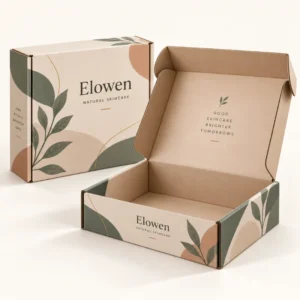
A large postage box is a spacious, strong postal carton made for orders that do not fit a standard small or medium box, including multi item orders, bulky products, folded textiles, footwear, gift sets and heavier single items. It gives enough room for protective cushioning around the contents, while still closing flat and stacking safely with other parcels. For online sellers, a well chosen large size reduces the need to split orders, protects presentation, and makes packing faster because staff are not forcing items into a box that is too small.
When a large postage box is the right choice
A large postage box is the right choice when the order itself is large, when several items are packed together, or when cushioning is essential and needs space to work. A single pair of boots with tissue and a shoe box, a set of folded garments, a hamper with several jars and packets, or a homeware item with corner protectors all benefit from a larger carton. The extra space is not wasted if it is used for cushioning that holds items apart and prevents them knocking together. It becomes waste only when the box is far larger than the order and the contents can slide freely inside.
Large boxes also suit orders that will be handled many times. A larger carton with strong board resists denting at the corners, tearing at the seams and crushing when other parcels are stacked on top. That strength matters for parcels that travel to a collection point, a locker or a business address, where they may wait and be moved again before opening. A box that arrives dented or torn, even if the contents are undamaged, can still disappoint a customer and create a query that takes time to resolve.
Large versus medium and small boxes
Choosing between box sizes should follow the packed order, not the product alone. A medium box may hold a single garment, but the same garment with a gift box, a card and tissue may need a large box to close without pressure. A small box may hold a single accessory, but a set of accessories with dividers may need a large box to keep each item separate. Test the packed order in each candidate size, close the lid, and check that the box feels firm, stacks flat and does not bulge. The smallest box that passes that test, with room for proper cushioning, is usually the best choice for cost, storage and handling.
Signs your box is too small or too large
A box is too small if the lid will not close flat, if items press against the sides, or if cushioning must be removed to make everything fit. A box is too large if items slide when the sealed box is tilted gently, if large amounts of void fill are needed to stop movement, or if the box looks empty when opened. Both problems increase damage risk, although for different reasons. A correctly sized large postage box should feel full but not forced, with cushioning that holds items in place and a lid that closes cleanly.
Materials and strength grades for a large postage box
Large postage boxes are most commonly made from corrugated board, because the fluted layer gives strength and cushioning for relatively low weight. Single wall corrugated board suits many large orders, including textiles, footwear and multi item gift sets. Double wall corrugated board suits heavier orders, fragile items, or parcels that will be stacked under other heavy parcels. The board grade should be matched to the weight of the order and the distance it will travel, rather than chosen on appearance alone. A heavier board grade costs more in material, but it can prevent damage that would cost far more in replacements and customer service time.
Printed large postage boxes add branding to that strength. A logo, brand colours and a short message on the outside help the customer recognise the parcel, while inside print can guide unpacking or encourage a return visit. Large boxes have generous print areas, so designs can include a clear logo, handling guidance and a simple pattern without looking crowded. Keep the label area clear in the artwork, and check that print remains readable after the box is folded and sealed, because folds and tape can cover text placed too close to an edge or seam.
Packing a large postage box well
Pack heavy items at the bottom, fragile items in the centre with cushioning on all sides, and light items on top, so weight does not crush delicate products during transit. Use dividers or individual wrapping for items that could scratch each other, such as glass, ceramics, coated prints or polished accessories. Fill gaps with paper void fill, corrugated inserts or foam pieces that hold items in place, rather than loose material that settles to one side. Seal the centre seam with strong tape, reinforce the bottom seam for heavier orders, and place the label flat on the largest face where it will not fold over an edge.
Protecting corners, edges and surfaces
Corners and edges are the most vulnerable parts of a large parcel, because they strike first when a box is dropped or knocked. Corner protectors, edge guards or extra layers of board at the corners can help for fragile or high value items. Surfaces benefit from a layer of tissue or paper between items, so printed surfaces, leather, glass and coated finishes do not scuff each other. These small packing details take little time at the bench, but they make a clear difference to the condition of the order on arrival, especially for gift and premium products.
Large postage boxes for online selling
Online sellers use large postage boxes for orders that combine several products, for subscription boxes, for seasonal hampers, and for products that are simply bulky by nature. A consistent large box style helps with warehouse layout, because staff know where to find the box, how it folds, and what inserts it needs. It also helps with carrier planning, because the packed size and weight become predictable across orders. That predictability supports accurate postage selection, clearer delivery promises, and fewer surprises at collection or at the delivery point.
Presentation matters for online orders too. A large box that opens to reveal neatly packed items, with tissue, a packing note and a branded inner lid, gives a better impression than a box filled at random with loose void fill. Customers often photograph unboxing, share it online, or keep the box for storage, so the inside of the box is part of the product experience. A printed large box, combined with tidy packing, turns a routine delivery into a moment that reinforces the brand and encourages repeat orders.
Ordering, storage and sustainability
When ordering large postage boxes, share the size and weight of your typical large orders, the quantity you use each week or month, whether you need single wall or double wall board, and whether you want print. Mention whether boxes will be stored flat or assembled, because large assembled boxes need far more space than flat boxes. Flat supply is usually the best option for large sizes, because it saves warehouse space and reduces the risk of boxes being crushed before use. Keep flat boxes dry, stacked neatly, and away from damp floors and direct heat.
Recycling and reuse guidance
Corrugated large postage boxes are widely recyclable in the UK through paper and board recycling, provided they are clean and dry and tape and labels are removed where local guidance asks for that. Customers can often reuse a strong large box for storage or for a return, provided it is undamaged and reseals cleanly. If you print recycling guidance on the box, keep it simple and accurate, so customers know to flatten the box and follow local rules. Choosing a box size that fits well also reduces waste, because it uses less board and less void fill than an oversized box for the same order.
After final artwork approval, corrugated orders usually take 12 to 15 working days as a guide only, and standard orders usually take 10 to 14 working days as a guide only. These are production guides, not guaranteed delivery dates, so plan large or seasonal orders with time for proofs, approval and packing tests.
To take the next step, you can shop all packaging, request a quote for a large postal box, read our delivery information, learn more on the about our company page, return to the Personalized Mailer Boxes homepage, or compare a laptop postage box for a device specific size.
Frequently asked questions
What fits in a large postage box?
A large postage box can hold multi item orders, folded textiles, footwear, gift sets, hampers and heavier single items, with room for cushioning. Test the packed order in the box to check that the lid closes flat and items do not slide.
Should I choose single wall or double wall board?
Single wall corrugated board suits many large orders, including textiles and gift sets. Double wall board suits heavier orders, fragile items, or parcels that will be stacked under heavy parcels.
How do I stop items moving in a large postage box?
Use dividers, individual wrapping and fitted void fill that holds items in place, rather than loose material that settles. Pack heavy items at the bottom and fragile items in the centre with cushioning on all sides.
Can I print my branding on a large postage box?
Yes, large boxes have generous print areas for a logo, brand colours and handling guidance. Keep the label area clear in the artwork, so the label does not cover important print.
Are large postage boxes recyclable?
Clean, dry corrugated boxes are widely recyclable in the UK through paper and board recycling. Flatten the box and follow local guidance on tape and labels.