
jewellery postage boxes
Showing the single result
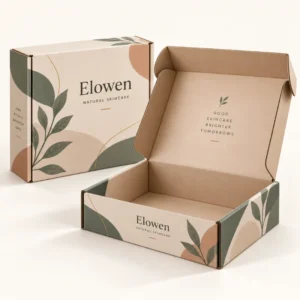
Jewellery postage boxes are small, sturdy boxes made to carry rings, earrings, necklaces, bracelets and watches safely through the post. In practice, jewellery postage boxes combine a protective outer box with a fitted insert that stops the piece moving, tangling or scratching during transit. The best designs also present the piece beautifully on opening, so the customer receives a gift experience as well as a safe delivery.
What jewellery postage boxes need to do
Jewellery is small, light and often valuable, which creates a particular packing challenge. A box that is too large lets a ring roll around and a chain tangle. A box that is too flimsy can be crushed by heavier parcels in a mail sack. A good jewellery postage box therefore balances protection, presentation and postal size. It should be rigid enough to resist bending, light enough to keep postage sensible and neat enough to open without a struggle.
Security is another consideration. Many sellers prefer an outer mailer with no visible branding that reveals the contents, so a plain outer box protects a branded inner box inside. The inner box can carry the full brand experience, while the outer box stays discreet. A tamper evident seal or a well taped outer seam also gives the customer confidence that the parcel has not been opened in transit. For higher value pieces, a tracked or signed service is worth considering, in line with carrier terms and any insurance requirements.
Box styles for different pieces
Ring boxes are usually small and square, with a slit or roll insert that holds the ring upright. Earring boxes need a card or pad that keeps pairs together and stops posts bending. Necklace boxes need length and a way to stop the chain knotting, such as a card that the chain wraps around or a compartment that keeps the pendant separate from the chain. Bracelet and bangle boxes need a wider, flatter shape, while watch boxes need depth and a cushion that holds the watch face clear of the lid.
Why inserts matter more than box size alone
An insert turns an ordinary small box into a jewellery box. Foam pads, cotton filled inserts, velvet style pads and shaped card inserts all hold a piece in place and prevent metal rubbing against metal. The insert should fit the box snugly, so it does not slide when the parcel is turned over. Test the packed box by shaking it gently and by turning it upside down. If you hear movement, add a tighter insert or a layer of tissue to fill the gap. Silence is a good sign.
Materials and finishes for jewellery postage boxes
Most jewellery postage boxes are made from card or board, sometimes with a rigid board construction for a premium feel. Kraft board gives a natural, handmade look that suits artisan makers and eco minded brands. White or coloured board gives a cleaner canvas for full colour print and suits contemporary jewellery brands. A matte finish feels soft and avoids glare in photographs, while a gloss or foil detail can add a luxury touch for gift packaging. The finish should suit the jewellery itself, because a very rustic box can underplay a fine piece and a very glossy box can overpower a simple design.
Recycled board is widely available and is a sensible choice for brands that want to reduce environmental impact. Paper based inserts and tissue are easier for customers to recycle than mixed material pads, although some foam inserts offer better protection for delicate pieces. Be clear about disposal where you can, and avoid claiming that a mixed material box is fully recyclable if only part of it qualifies. Customers who buy handmade jewellery often care about packaging sustainability, so honest guidance builds trust.
Sizing for Royal Mail formats
Postal size can make a real difference to cost and convenience. Many jewellery boxes are designed to fit within Royal Mail large letter limits, which for a large letter are a maximum length of 35.3 centimetres, a maximum width of 25 centimetres, a maximum thickness of 2.5 centimetres and a maximum weight of 750 grams. A flat jewellery box inside a slim outer mailer can meet those limits, while a deep gift box with a bulky outer carton may fall into the small parcel category. Measure the finished, sealed parcel, not just the empty box, because tissue, inserts and outer packaging all add thickness.
Measuring a finished jewellery parcel
Place the jewellery in its insert, close the inner box, place it in the outer mailer and seal the parcel exactly as the customer will receive it. Measure length, width and thickness at the widest points, and weigh the sealed parcel. If thickness is close to a format limit, try a slimmer insert or a flatter outer mailer before assuming a higher postal category. A few millimetres can change the postal format, so a quick measurement check before a bulk order can save repeated postage costs over time.
Packing jewellery safely step by step
Start by cleaning and checking the piece, then place it in its insert so clasps are closed and chains are secured. Wrap the inner box in tissue if the design benefits from an extra layer, and place it centrally in the outer mailer so it is cushioned on all sides. Fill any remaining space with tissue or paper void fill, not loose material that can shift. Seal the outer box with strong tape, label it clearly and include a packing note or care card inside if the customer may need it.
For necklaces, fasten the clasp and wrap the chain around a card to prevent tangling. For earrings, keep pairs on one card and protect posts with a pad. For rings, seat the ring firmly in its slit so the stone does not press against the lid. For watches, use a cushion that supports the case and keeps the strap from pressing on the face. These small steps take seconds during packing and prevent most of the damage and tangling complaints that jewellery sellers receive.
Branding a jewellery postage box
Branding can be subtle or bold, but it should be consistent with the jewellery and the shop. A small logo on the inner box lid, a printed card and a matching tissue colour can create a memorable opening without adding bulk. Custom printed outer mailers work well for established brands, while a plain outer mailer with a branded inner box suits sellers who want discretion. Keep essential information, such as care instructions and return guidance, on a card inside the parcel, where the customer will find it after opening.
Ordering and lead time planning
Order samples before committing to a large run, and pack a real piece in each sample to test fit, protection and presentation. After final artwork approval, standard lead times are 10 to 14 working days, while rigid and specialist constructions are typically 13 to 16 working days. These are planning guides, not guaranteed delivery dates, so order ahead of seasonal peaks such as Christmas, Valentine’s Day and Mother’s Day. A small buffer stock of plain boxes can also cover unexpected surges without delaying orders. For a tailored design, request a quote and share your piece sizes. You can also browse the full shop for related mailer styles, and check the Royal Mail small parcel guide for current size limits.
Frequently asked questions
What size jewellery postage box do I need?
Measure the piece in its insert, then choose the smallest box that holds it snugly with room for protection. A ring needs a small square box, a necklace needs length to avoid tangling, and a bracelet needs a wider flat box.
Can jewellery postage boxes fit large letter postage?
Many flat designs can, if the sealed parcel stays within large letter length, width, thickness and weight limits. Measure the finished parcel, because inserts, tissue and an outer mailer all add thickness.
How do I stop necklaces tangling in the post?
Fasten the clasp, wrap the chain around a card or place the pendant and chain in separate compartments. A fitted insert that holds the chain still is far more effective than loose tissue alone.
Should the outer box be branded?
That depends on security and brand goals. A plain outer box is more discreet for valuable pieces, while a branded inner box still gives a strong opening experience. Many sellers use both.
Do I need a tracked service for jewellery?
Tracking and signature options give peace of mind for valuable pieces and help with delivery queries. Check carrier terms and any insurance requirements for the value you are sending.