
is po box free postage uk
Showing the single result
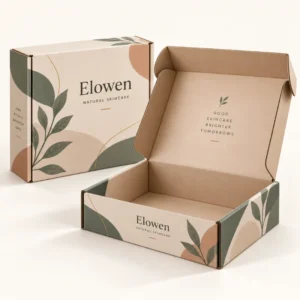
Is po box free postage uk a question with a short answer and an important distinction. Ordinary mail sent to a box described by is po box free postage uk still needs normal postage, just as mail to a home or business address does. A PO Box itself is also a paid rental service for the holder, not a free address, although a separate Freepost arrangement can make postage free for the sender in specific cases.
Why is po box free postage uk usually answered no
A PO Box is a secure box at a Royal Mail delivery office or a similar facility where mail is held for collection or forwarding. The holder rents the box and collects mail from it, or pays for an added forwarding service. That rental is the service being paid for. It does not remove the need for postage on items sent to the box. When you address a letter or parcel to a PO Box, you still need to buy the correct postage for its size, weight and service, exactly as you would for any other UK address.
The confusion is understandable, because the words free and PO Box appear together in a few different contexts. Some third party mailbox providers advertise a free account setup, while charging for mail handling, forwarding or other services. Some businesses offer a Freepost address, which looks similar to a PO Box address but works differently. And some people hear that collection from a PO Box is included in the rental and assume that means postage is included too. It is not. Collection and postage are two separate things, paid by different people in most cases.
Who pays when mail goes to a PO Box
In the normal case, the sender pays for postage and the PO Box holder pays for the box rental. The sender buys a stamp or online postage, or uses a business account, and the item is delivered to the PO Box facility. The holder then collects it or receives it through a forwarding arrangement. If postage is underpaid, the item may be delayed, returned or subject to a surcharge process, so it is worth checking size and weight before posting, especially for parcels.
What the sender should check before posting
Check the full PO Box address, including the box number and postcode, because a missing number can delay delivery. Check whether the item fits the PO Box service, since very large or awkward parcels may need collection from a delivery office or a different arrangement. Check carrier acceptance too, because many PO Box facilities are Royal Mail facilities and may not accept deliveries from other couriers in the same way. When in doubt, ask the recipient which carrier and format they can receive.
Freepost and other exceptions that change the answer
Freepost is the main exception. With a Freepost address, the recipient business pays for postage, so the sender does not need a stamp. Freepost addresses are used by companies that want customers to return forms, orders or feedback without a postage barrier. The address will usually show the word Freepost clearly, and the business behind it has an arrangement with Royal Mail to cover the cost. A Freepost address is not the same as an ordinary PO Box, even though both give the recipient a separate mailing address.
Other exceptions are narrower. Some organisations run internal mail systems, reply paid envelopes for a specific campaign or prepaid returns labels for online orders. In each case, someone other than the sender has paid in advance, and the envelope or label will make that clear. If an address simply says PO Box with a number and postcode, and there is no Freepost marking or prepaid label, assume normal postage applies. Do not assume that a business address, a charity address or a well known brand name makes postage free.
PO Box rental and forwarding in plain terms
Renting a PO Box gives the holder privacy and a stable mailing address, which is useful for home based businesses, sole traders and people who move often. Mail is held securely until collection, which avoids parcels being left outside. Some holders choose a collect service, where they visit a customer service point. Others choose a deliver service, where mail is forwarded to a home or business address. Forwarding is an added service, not an automatic part of every PO Box arrangement, so holders should confirm what their chosen service includes before relying on it.
Why a PO Box is not a full legal address
A PO Box is a mailing address, not a physical address. It cannot by itself prove where a person lives or where a business is based, and some registrations, banks and official processes require a full physical address as well. That limitation does not affect postage, but it matters for anyone choosing a PO Box as a main business address. Use it for customer facing mail and correspondence, and keep a proper physical address for legal and financial purposes.
Posting to a PO Box: practical guidance for senders
Packaging for a PO Box delivery follows the same rules as any other postal shipment. Use a sturdy box or mailer, protect fragile items, seal seams well and label the parcel clearly. Because PO Box holders may collect mail less often than a home delivery arrives, consider whether the contents are perishable, urgent or sensitive to heat. Food, flowers and temperature sensitive goods are often a poor fit for a PO Box unless the holder collects promptly and the sender has confirmed that arrangement in advance.
For businesses that receive regular orders by post, a PO Box can be a practical way to separate business mail from home mail. For businesses that send parcels to customers, the PO Box question usually arises the other way round, when a customer asks to deliver to their PO Box. In that case, check your carrier terms before accepting the order, because some couriers do not deliver to PO Box addresses. Offering Royal Mail delivery, or asking for an alternative delivery address, avoids failed deliveries and returns.
Packaging choices when the recipient collects mail
Collected mail may be carried home by hand, so size and weight matter for the recipient as well as for postage. A compact mailer box that protects the product without excess bulk is easier to collect and carry than an oversized carton. If the product is fragile, use an insert or cushioning that keeps it still inside the box, and avoid loose filling that spills when the box is opened at a counter. Clear labelling inside the box, such as a packing note, also helps the recipient check the contents quickly.
When to ask for a different address
Ask for a different address when the parcel is large, heavy, perishable, valuable or needs a signature from a named person. Ask as well when your carrier does not deliver to PO Box addresses, or when the item needs a timed delivery slot. A polite request at checkout, explaining the reason, usually solves the problem before dispatch. It is far better than a failed delivery, a return to sender and a disappointed customer. For a tailored mailer design, request a quote and share your product sizes. You can also browse the full shop for related mailer styles, and read the delivery information page for planning guidance.
Frequently asked questions
Is postage to a PO Box free in the UK?
No, in the normal case the sender pays normal postage. The PO Box holder pays separately to rent the box, and that rental does not make incoming postage free.
What is the difference between a PO Box and Freepost?
A PO Box is a rented box for receiving mail, with postage paid by the sender. Freepost is an arrangement where the recipient business pays postage, so the sender does not need a stamp.
Can any courier deliver to a PO Box?
Not always. Many PO Box facilities are Royal Mail facilities, so other couriers may not be able to deliver to them. Check with the recipient and your carrier before dispatch.
Can a PO Box be used as a business address?
It can be used as a mailing address for customer correspondence, but it is not a physical address on its own. Some legal and financial processes require a full physical address as well.
Do parcels to a PO Box need different packaging?
No, the packaging rules are the same. Use a sturdy box, protect fragile items and keep the parcel compact, because the holder may need to collect and carry it.