
insulated postage box
Showing the single result
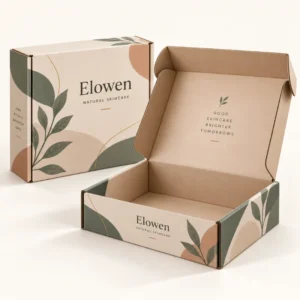
An insulated postage box is a postal box with a thermal layer that slows heat transfer, so chilled or frozen goods stay closer to their starting temperature during delivery. It does not refrigerate the contents on its own. It works with coolants, sensible packing and a realistic transit time to protect food, drink, flowers and other temperature sensitive goods.
What an insulated postage box does
The insulation layer, often a foil lined liner, a foam panel or a paper based thermal liner, creates a barrier between the contents and the outside air. Warm air in summer and cold air in winter both affect an unprotected parcel, so the goal is to slow change rather than to hold one exact temperature forever. A well packed box with gel packs or ice packs will usually perform far better than a thicker box packed loosely, because still air gaps and warm products inside can undo the benefit of good insulation. Pre chilling the product, the coolant and, where practical, the box itself gives the shipment the best start.
Insulated boxes suit a wide range of senders. Small food businesses post chilled meals, cakes with cream fillings, cheese, chocolate, seafood and meal kits. Florists and growers post plants and cut flowers that suffer in heat. Pharmacies and laboratories post items that must stay within a stated temperature range, although those senders must follow their own sector rules and carrier requirements in full. For every use, the key question is the same: how long will the parcel be in transit, what temperature range matters, and what happens if delivery is delayed by a day?
Common insulation constructions
Polystyrene boxes offer strong insulation for their weight and are widely used for fish, meat and frozen goods. Their drawback is disposal, because many local recycling routes do not accept them, so senders who care about sustainability often look elsewhere. Foil lined cardboard mailers combine a familiar outer box with a reflective liner and a foam or bubble core. They are lighter to store, easier to brand and often easier for the recipient to break down, but their performance depends on the liner quality and on a tight seal.
Paper based thermal liners
Paper based liners use layered paper, corrugated board or natural fibres to trap air and slow heat transfer. They appeal to brands that want a fully paper based pack that the customer can recycle with cardboard, subject to local recycling guidance. Performance varies with thickness and construction, so a paper liner should be tested in the same way as any other option, with a temperature logger or a simple trial shipment, rather than chosen on appearance alone. A liner that fits loosely will leave gaps at the corners, which are exactly where warm air enters first.
Choosing the right insulated postage box
Start with the product and the journey, not the box catalogue. Note the product weight, its starting temperature, its size and whether it can tolerate brief warming. Then note the longest realistic transit time, including a weekend or a bank holiday delay, and the warmest conditions the parcel may meet. A box chosen for an overnight courier service may fail on a two day postal service, and a box chosen for winter may struggle in a summer heatwave. Testing under the worst likely conditions, not the average, is what protects a brand reputation.
Size matters in a different way for insulated packs. The box should fit the product and coolant snugly, with just enough cushioning to stop movement. Extra empty space is extra air to cool, and it lets coolant shift away from the product. Measure internal dimensions after the liner is fitted, because a liner can reduce usable space by a surprising amount. If the product is tall or awkwardly shaped, a deeper box with a fitted divider may perform better than a shallow box with loose filling.
Coolants, sealing and food safety
Gel packs are the usual choice for chilled goods, because they thaw slowly and do not leak as freely as loose ice. Frozen gel packs suit frozen goods, while chilled gel packs suit goods that must stay cool but not frozen. Dry ice can keep goods frozen for longer, but it needs careful handling, clear labelling and a carrier that accepts it, so check carrier rules before using it. Never place a coolant directly against a product that could be damaged by freezing, and always separate food from coolant with a food safe barrier where the coolant is not itself food safe.
Sealing against leaks and condensation
Seal the inner contents in a leak resistant bag or tray before placing them in the insulated box, especially for meat, fish, sauces and fresh produce. Condensation forms as cold goods meet warmer air, so a bag also protects the outer box and any printed branding from damp. Tape all outer seams firmly, and make sure the lid or liner closure is fully shut before the parcel leaves. A small gap at the top can let in enough warm air to shorten the safe transit window noticeably.
Posting an insulated postage box in the UK
Check the carrier size and weight limits before ordering boxes in bulk. A box that fits one carrier may exceed another carrier’s limits once the liner and coolant are added, and coolant weight is easy to underestimate. Weigh a fully packed sample, including tape and labels, and use that weight for postage planning. Keep the address label clear of seams and flaps, and add handling guidance only where the carrier recognises it, because extra markings do not replace proper packing.
Timing is part of temperature control. Post early in the week where possible, so a parcel is less likely to sit over a weekend. Tell the recipient when to expect delivery and ask them to refrigerate or freeze the contents on arrival. A short note inside the box, explaining how long the pack is designed to last and what to do if delivery is late, helps the customer judge whether the goods are still in good condition. If a delivery is delayed, contact the customer promptly rather than leaving them to discover a warm box without guidance.
Sustainability and disposal
Insulated packaging raises a genuine sustainability question, because the best thermal material is not always the easiest to recycle. Paper based liners and cardboard outers are usually the simplest for customers to recycle, while mixed material liners may need to go in general waste. Be honest on the pack or on an insert about how each part should be disposed of, and avoid calling a mixed material product fully recyclable if only the outer box qualifies. Customers appreciate clear guidance far more than a vague green claim.
Reducing waste without losing protection
Reuse is one practical route. A sturdy insulated box that survives delivery can be reused by the customer for picnics, food shopping or a return shipment. Designing for reuse, with a clean interior and a simple closure, can reduce waste over time. For single use packs, right sizing is the simplest saving, because a smaller box uses less material, less coolant and less postal space. Review pack sizes regularly as product ranges change, rather than ordering one size for everything by habit. For a tailored design, request a quote and share your product sizes and transit times. You can also browse the full shop for related mailer styles, and check the Royal Mail small parcel guide for size and weight limits.
Frequently asked questions
How long will an insulated postage box keep food cold?
It depends on the liner, the coolant, the starting temperature and the outside temperature. Test a fully packed box over your longest realistic transit time, and plan for a delay, rather than relying on a headline claim from a supplier.
Do I need ice packs as well as an insulated box?
In most cases, yes. The box slows heat transfer, while the coolant absorbs heat and keeps the inside cool. Without coolant, even a good insulated box will warm up much faster, especially in summer.
Can I post frozen food in an insulated postage box?
Yes, if the box, coolant and transit time are matched to the product and the carrier accepts the contents. Use frozen gel packs or an approved coolant, seal the food well and post early in the week where possible.
Are paper based insulated liners as good as foam?
They can be, for shorter journeys and chilled goods, but performance varies by construction and thickness. Compare tested results for your own product and transit time, not just material descriptions.
How should the customer dispose of the packaging?
Cardboard outers and paper liners can usually be recycled with paper and card, subject to local guidance. Mixed material and foam parts may need different disposal, so give clear instructions inside the box.