
influencer marketing packaging
Showing the single result
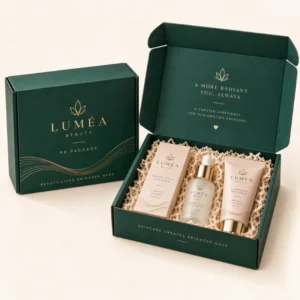
Influencer marketing packaging is packaging designed with a marketing purpose, not just a protective purpose. It supports a campaign goal, whether that is a product launch, a seasonal promotion, a brand relaunch or a ongoing ambassador programme. Every design choice, from box shape to the wording on a card, should help creators understand the campaign, try the product correctly and share content that reflects the brand accurately.
How influencer marketing packaging supports a campaign
Packaging is often the first physical contact a creator has with a campaign. Before any briefing call or email is read in full, the box has already communicated tone, quality and attention to detail. A box that matches the campaign message, whether playful, premium, calm or bold, prepares the creator to tell a consistent story. A box that contradicts the message, for example a luxury product in a battered plain carton, creates confusion before content begins.
Good campaign packaging also reduces the work a creator must do to understand the product. Clear labelling, a short routine guide and a card that states the campaign theme, the product name and the key benefit in plain language all help. Creators receive many briefs, so packaging that answers basic questions without a long document is more likely to lead to accurate, confident content.
Matching packaging to campaign goals
A launch campaign needs packaging that creates excitement and a clear reveal, often with a hero product front and centre. A seeding campaign needs packaging that is repeatable, easy to pack and consistent across many creators. An ambassador campaign needs packaging that feels personal over time, perhaps with a welcome box followed by simpler refill or seasonal sends in the same brand style. A retail promotion campaign may need packaging that works both as a creator send and as a gift with purchase, so the design should translate across contexts.
Define the goal before choosing a structure. Ask what success looks like: trial by a target audience, accurate product education, a surge of launch week content, or lasting advocacy. That answer determines whether a rigid keepsake box, a printed mailer or a simple branded carton with a strong interior is the right investment. Packaging chosen for appearance alone, without a campaign role, often looks impressive in a photograph but fails to support the creator or the message.
Briefing creators through the box itself
The box can carry a concise briefing without replacing a full campaign brief. A card inside can state the product name, the launch theme, the key benefit and any safety or usage notes. It can also include social handles and a campaign hashtag in one place. Keep that card short and scannable, because a creator is more likely to read a card of a few lines than a multi page leaflet. Any detailed briefing, usage terms or content deadlines belong in the main campaign communication, not crammed onto packaging.
Brand consistency across creators and channels
Influencer marketing works across video, photography, stories and live streams, and packaging must hold up in each format. Colour, logo placement and typography should stay consistent, so content from different creators still reads as one campaign when viewed together. A style guide for packaging, covering colours, logo clear space and approved messages, helps the design team and the supplier produce the same result on reorders.
Consistency also applies to product variants. If a campaign includes different shades, scents or sizes for different creators, label each variant clearly inside the box. A creator who films the wrong shade because labelling was unclear can create confusion for their audience and extra work for the brand team. Clear variant labelling is a small detail with a large impact on campaign accuracy.
Adapting packaging for different creator tiers
Many campaigns use tiers, from a small group of ambassadors to a wider seeding list. Packaging can adapt by keeping the outer design identical and varying the contents, the note or an extra item by tier. That approach protects recognition while rewarding closer partners with a fuller experience. Avoid creating a completely different box for each tier, as that fragments the campaign look and increases artwork and storage complexity.
Content creation and the unboxing moment
Unboxing content succeeds when the opening is easy to follow. A box that opens in one smooth motion, reveals the product quickly and allows the creator to lift it out without struggling will film better than a box with many layers, tapes and seals. Design the opening sequence with filming in mind: lid, reveal, product, card. Each step should be visible and unhurried, without the creator needing to cut, tear or search.
Sound and touch also matter on video, even though they are harder to describe in a specification. A lid that closes with a soft, firm feel, tissue that rustles gently and a box that sits flat on a table all contribute to a calm, premium impression. Test those qualities on a sample, filmed on a phone, before approving a full run. Small tactile details often separate a box that feels considered from one that feels generic.
Designing for photography as well as video
Still photography rewards flat lays, clean backgrounds and a box that looks good from above. Video rewards movement, reveal and handling. A good campaign box serves both. A lid that can sit beside the base as a backdrop, an interior print that frames the product, and a colour palette that does not clash with typical home backgrounds all help creators produce usable stills as well as video. Provide a product card that can be placed in a photograph without looking like an advertisement, for example a simple card with the product name and a short benefit statement.
Think about scale in photographs. A very large box can dwarf a small product, while a very small box can make a set look cramped. Photograph the packed box from above, from the front and at an angle before approval, and check that the product remains the focal point in each view. If the box dominates every photograph, reduce pattern or colour intensity rather than increasing product size.
Encouraging authentic content without scripting it
Packaging should invite content, not dictate it. A prompt card with a question, such as how the product fits a morning routine, can spark ideas without scripting a creator’s words. A QR style code linking to a campaign hub, tutorial or product page can give creators extra material if they want it, but it should not be required viewing before trial. Authenticity suffers when packaging feels like a set of instructions for a performance, rather than a thoughtful send from a brand that trusts the creator.
Planning, ordering and measuring campaign packaging
Plan packaging alongside the campaign calendar, not after it. Artwork, proofing, production, packing and dispatch all need time, and creator content dates depend on arrival dates. Standard boxes are typically produced in 10 to 14 working days after final artwork approval, corrugated boxes in 12 to 15 working days and rigid or specialist boxes in 13 to 16 working days. These are typical production times, not a promised delivery date, so include contingency for revisions and for large packing lists.
Measure packaging success in campaign terms. Track creator response rates, content accuracy, audience engagement and feedback quality, alongside practical measures such as damage rates and packing errors. If many creators mention a confusing card or a damaged box, that feedback points to a packaging change, not just a creator issue. If content consistently shows the product clearly and accurately, the packaging is doing its marketing job.
Explore campaign structures in the shop all packaging range, and request a campaign specification through the get a quote page. Related formats include influencer boxes, influencer mailers and influencer gifting boxes. Timing guidance is on the delivery information page.
Reusing campaign packaging for future launches
A strong campaign box design can be reused with updated cards, inserts or exterior messages for future launches, which saves artwork time and builds recognition. Keep the dieline, artwork files and supplier specification on record, and note any changes made after the first run. When a design is reused, check that old campaign messages, dates or hashtags are not left on the box or card, as outdated details can confuse creators and audiences.
Reorder early for a repeat campaign, and approve a fresh proof if materials or print processes have changed. A design that worked for a small launch may need a stronger board or a different insert for a larger list or a heavier product set. Review those practical points before reordering, rather than assuming the original specification still fits.
Shipping influencer marketing packaging
Influencer marketing packaging only works if the shipping journey leaves the box ready for camera, because a creator films the box as it arrives. Send each creator box inside an outer shipping carton that protects the presentation box, the inserts and any card, and use a tracked delivery service so the campaign team knows when each box has landed. Time the shipping so boxes arrive before the posting date agreed with each creator, and check a shipped sample yourself, because a retail style presentation that arrives dented or late undermines the campaign before the creator opens it.
Frequently Asked Questions
What is influencer marketing packaging?
Influencer marketing packaging is packaging designed to support a marketing campaign, helping creators understand a product, try it correctly and share accurate content. It combines protection, brand presentation and clear campaign information.
How does packaging affect campaign content?
Packaging affects the first impression, the ease of opening on camera, product visibility and the accuracy of information a creator shares. A clear and attractive box makes accurate, confident content more likely.
Should campaign packaging differ by creator tier?
Keep the outer design consistent and vary contents or personal notes by tier. That approach protects campaign recognition while still rewarding closer partners.
How long does production usually take?
Standard boxes are typically produced in 10 to 14 working days after final artwork approval, corrugated boxes in 12 to 15 working days and rigid or specialist boxes in 13 to 16 working days. These are typical production times, not a promised delivery date.
Can I get a quote for influencer marketing packaging?
Yes. Share the campaign goal, box style, product sizes, quantity and artwork, and request a quote for packaging matched to your campaign.