
gable boxes large
Showing the single result
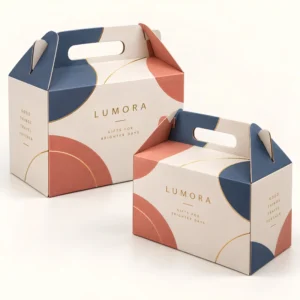
gable boxes large are oversized versions of the classic gable carry box, made to hold more than a single small gift or a few treats without crushing the contents. They keep the peaked top and built in handle that make gable boxes easy to carry, but they offer a wider base and a taller body for hampers, bakery orders, clothing and multi item gift sets. For buyers who keep running out of room in a standard size, a large version is often the simplest fix.
What counts as gable boxes large
There is no single official size for a large gable box, because the right size depends on what you plan to pack. In practice, a large version is one that comfortably holds a full bakery order, a hamper style collection or several retail items together, rather than a single favour or a small treat box. The base needs to be wide enough for items to sit side by side without being forced in, and the height needs to leave room for tissue, a lid insert or a protective layer on top. If you have to press the top shut, the box is too small, however good it looks from the outside.
Large boxes also need to be judged on weight, not just on volume. A box that holds a lot of light tissue and ribbon is very different from a box that holds jars, bottles, books or a dense food order. Board grade, base construction and handle strength all matter more as the load grows. That is why a large gable box should be specified around the heaviest realistic load, not around an average load, so it still feels secure on a busy day.
Typical uses for a larger gable box
Bakeries use large gable boxes for celebration cakes, mixed pastry orders and catering trays that need to stay level during carrying. Gift businesses use them for hampers, where jars, candles, snacks and small homeware items are arranged together and need to stay in place. Clothing and accessory brands use them for folded garments, scarves and multi piece sets, because the wide opening makes packing neat and the peaked top keeps the presentation tidy. Event organisers use them for welcome kits and delegate packs that contain a programme, a gift and a few branded items in one carrier.
When a large box beats two small boxes
Two small boxes can work, but they split a gift into two separate items and they double the packing time. A single large box keeps a set together, which matters for a hamper or a coordinated gift, because the recipient sees the whole collection at once. It also gives one clear surface for branding, rather than two small surfaces that compete for attention. For catering and bakery orders, one large box is usually easier for the customer to carry and easier for staff to label and hand over.
Choosing the right size for gable boxes large
Start by packing your full order exactly as the customer will receive it, including tissue, dividers, jars or bottles and any card or message. Measure that packed arrangement, then add a small margin for tissue on top and for fingers to lift items out without tearing the board. A box that is only just big enough can look cramped, while a box that is far too big lets items slide and can make a generous hamper look half empty. The aim is a snug, generous fit, where everything sits securely and the top closes without pressure.
Also think about the shape of your items. Tall bottles need height, flat books need a wide base, and round jars need room to sit without touching the sides. If your order mixes shapes, a divider or an insert can be more useful than simply choosing a bigger box, because it stops items from moving during carrying. Discuss inserts at the quote stage, because they are much easier to plan before the box size is fixed.
Board strength and handle support
For large boxes, board choice is a structural decision, not just a visual one. Corrugated board gives extra strength for heavier loads and for boxes that will be carried over a longer distance, while sturdy folding board can be enough for lighter gift sets and clothing. The base should lock securely and stay flat under load, and the handle area should feel firm when the box is lifted. If a handle feels thin or if the top panels flex when lifted, ask about a stronger board or a reinforced handle area before ordering in quantity.
Testing a large box before a full order
A simple test will tell you more than a specification sheet. Pack the heaviest order you expect, close the box, lift it by the handle, walk a short distance and set it down again. Check the base, check the handle joints and check whether items have shifted. Repeat the test with a second packer, because different people pack and lift in different ways. If the box passes with your heaviest order, it will usually cope well with everyday orders too.
Packing and presenting gable boxes large
Presentation matters even more in a large box, because empty space is more visible. Tissue paper, shredded paper or a fitted insert can fill gaps, protect items and make the opening feel deliberate. Arrange the tallest items at the back or in the centre, depending on how the box will be opened, and place fragile items where they are cushioned on all sides. A short message card on top gives a finished look and helps the recipient understand the gift at a glance.
For bakery and catering use, keep food safety in mind. Use board and coatings that are suitable for food contact where needed, and avoid overfilling a box that will be carried in warm conditions. For retail and gift use, think about how the box will photograph, because customers often share a hamper or a large gift online. A tidy arrangement, a consistent colour scheme and a clear brand panel will photograph far better than a crowded box with mixed wrapping.
Storage and handling in quantity
Large gable boxes still normally arrive flat packed, which is a major advantage when space is limited. A stack of flat boxes takes far less room than the same number of assembled boxes, and it lets you keep a larger quantity on hand for seasonal peaks. Store flat boxes in a dry place, keep them away from damp floors, and assemble only what you need for the next packing session. That routine keeps boxes clean, keeps the board crisp and avoids damage from boxes being stacked while assembled.
Explore gable boxes custom, gable boxes with handles and gable gift boxes.
Shipping gable boxes large
A large gable box needs a shipping plan that matches its weight, because a filled large box can strain its handle and its base in transit. Choose corrugated board for heavier contents, distribute the weight evenly across the base, and place the filled box inside an outer shipping carton when it must travel by courier, with cushioning that stops the contents moving and pressing against the peaked top. Check the total size and weight against the delivery service limits before you order, since a large gable box that is easy to carry in a shop can still exceed a courier size band once it is inside its shipping carton.
Frequently asked questions about gable boxes large
What fits best in gable boxes large?
Hampers, full bakery orders, multi item gift sets, folded clothing and event welcome kits all fit well, because the wider base and taller body leave room for several items together. Pack your full order first, then measure it, to confirm the size before ordering.
Are gable boxes large strong enough for heavy hampers?
They can be, if the board grade and base are specified for the load. For jars, bottles or dense food orders, corrugated board and a secure base are usually the safer choice, and a packed test with your heaviest order is the best check.
Do gable boxes large arrive flat packed?
Yes, in most cases they arrive flat packed and assemble quickly for packing. Flat storage is especially helpful for large sizes, because assembled large boxes would take up a great deal of shelf space.
Can gable boxes large be printed with my brand?
Yes. Large panels give plenty of room for a logo, a pattern or a seasonal design, and the brand remains visible while the box is carried. Keep the main logo on the larger side panels for the clearest result.
How do I stop items moving inside a large box?
Use tissue, shredded paper, dividers or a fitted insert to fill gaps and cushion items on all sides. Pack the heaviest items at the bottom, arrange lighter items on top, and check that the top closes without pressure.