
food postage boxes
Showing the single result
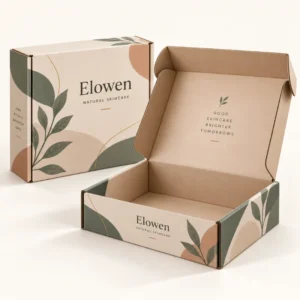
Food postage boxes are strong postal boxes made to carry food safely through the post, from a home bakery to a customer many miles away. They protect cakes, biscuits, confectionery, tea, coffee and other shelf stable foods from knocks, crushing and damp during sorting and delivery. A well chosen food postage box also presents the food beautifully on arrival, so the unboxing feels like part of the gift.
What food postage boxes are used for
Mail order food businesses rely on food postage boxes every day, because a food parcel faces more handling than a parcel handed over a shop counter. Cakes travel in boxes that hold them still, biscuits need protection from breakage, and jars need dividers or cushioning so glass does not chip in transit. Subscription food boxes, hampers and seasonal gift sets also benefit, since the outer box often carries the branding that a customer sees first. When you browse the shop range, think first about the food itself, then about the journey, and only then about decoration, because protection decides whether the food arrives in good condition.
Home bakers and small producers often start with a simple plain box and add a printed sleeve, a label or a thank you card. Larger brands tend to print the whole box, so every panel works for the brand, from the lid to the base. Both approaches work well, provided the board is strong enough for the weight inside and the fit is close enough to stop the contents moving. A box that is far too large invites movement and damage, while a box that is too tight can squash soft items or make packing slow and fiddly.
Choosing board and lining for food
Board for food postage boxes should be clean, sturdy and suitable for contact with food where the food touches the board directly. Many food businesses use an inner wrap, a grease resistant paper sheet or a food safe tray inside the postal box, which adds a useful extra layer of protection and keeps crumbs and oils away from the print. Corrugated board gives extra cushioning for heavier or more fragile items, while solid board gives a neater finish for lighter treats and presentation led gifts. If you sell chilled or frozen food, remember that a standard postal box alone will not keep food cold, so you will need suitable insulation and coolant as part of your wider cold chain plan.
Grease and moisture protection
Greasy or moist foods can mark plain board quickly, which looks poor and can weaken the box. A grease resistant lining, a coated inner surface or a separate inner bag helps the box stay clean and presentable all the way to the customer. Test any lining with your actual product, including warm items, because heat can soften some coatings and increase the risk of marking. Keep a sample of each finished pack, check it after a simulated journey, and only then commit to a larger run.
Sizes and posting bands for food parcels
Size matters for food postage boxes in two ways: the food must fit safely, and the finished parcel should sit sensibly within your chosen postal service. Measure the longest, widest and tallest points of the food and its inner packaging, then add a small allowance for cushioning. Rectangular boxes suit most cakes and trays, while deeper boxes suit jars, bottles and stacked items. Always weigh a fully packed sample, because the total weight of food, box and cushioning decides which postal band applies, and an unexpected band change can affect your margins on every order.
Measuring for a snug and safe fit
Start with the internal dimensions, not the external ones, because board thickness and folds take up space inside the box. Place the food in its tray or wrap, measure again, and check that the lid closes without pressing down on soft toppings. Add dividers for jars, use crinkle paper or tissue for delicate biscuits, and fill any remaining gaps so nothing rattles when you shake the box gently. A quiet box is usually a safe box, and it also feels more considered when the customer opens it.
Printing and labelling for food postage boxes
Printed food postage boxes turn an ordinary delivery into a brand moment. A clear logo, a simple colour palette and a short message on the lid can make a small bakery look established and confident. Keep text legible at arm’s length, avoid clutter on the main panel, and reserve smaller panels for practical details such as handling notes, storage advice and contact details. If you use a gable box for bakery treats as an inner presentation box, the outer postal box can stay simpler, which can be a practical way to balance cost and impact.
Information to show on the pack
Food labelling rules in the UK require certain information to be clear and easy to read, including the name of the food, an ingredients list where required and allergen information. Printed boxes can carry some of this information, but many businesses also use a separate label for batch specific details such as best before dates. Check the GOV.UK food labelling and packaging guidance before finalising artwork, so allergen, quantity and storage details are correct for your product type. Getting this right protects customers and protects your business.
Allergen and storage notes
Allergen information deserves a prominent, legible position, not a footnote in tiny type. If your kitchen handles nuts, milk, gluten or other common allergens, state this clearly and consistently across the box, the label and any card inside. Storage notes also help: tell the customer whether to keep the food cool, eat it within a certain number of days, or freeze it on arrival. Simple wording, large enough to read in normal light, reduces questions and returns.
Ordering food postage boxes and lead times
When you are ready to order, share your product dimensions, the weight of a packed sample and a note about any fragile or greasy items, so the specification can be matched to the real job. Standard boxes are usually produced in 10 to 14 working days after final artwork approval, while corrugated boxes take 12 to 15 working days after final artwork approval. These timings cover production after approval, not a guaranteed delivery date, so allow extra time for artwork checks and for your own packing tests. For a tailored specification, request a quote for food postage boxes and include your sizes, quantities and print ideas.
Frequently asked questions
Are food postage boxes safe for direct contact with food?
Many food postage boxes use board that is suitable for food contact, but you should confirm the specification for your exact product and use an inner wrap or tray where the food touches the board. Ask your supplier to confirm the board type in writing, and keep that confirmation with your food safety records.
Can I post cakes in food postage boxes?
Yes, cakes travel well in food postage boxes when the cake sits in a snug tray or board, the box is close fitting and the lid does not press on decoration. Use cushioning around the tray, mark the parcel as fragile where appropriate, and test a sample delivery before sending orders to paying customers.
What size food postage box do I need?
Measure the food in its inner packaging, add a small allowance for cushioning, and choose the smallest box that still allows the lid to close freely. Weigh the packed box as well, so the finished parcel matches the postal service you plan to use.
Can food postage boxes be printed with my branding?
Yes, food postage boxes can be printed with a logo, colours and a short message, either across the whole box or on the main panels only. Keep allergen and storage information legible, and check a printed proof carefully before approving a full run.