
custom postage box
Showing the single result
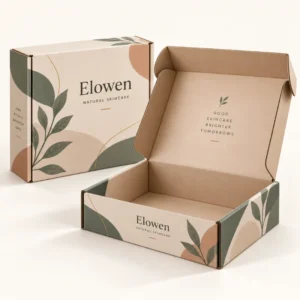
A custom postage box is a printed box made to fit a specific product for posting, so the parcel is protected, easy to handle, and clearly branded on arrival. Unlike a generic carton that leaves space around the product, a fitted postage box keeps the item still, closes securely, and presents the brand from the moment the parcel is handed over. For businesses that post every day, that fit also helps with packing speed, damage rates, and a consistent customer experience.
Why a custom postage box beats a generic carton
Generic cartons are made to suit many products, which means they rarely suit any one product well. Extra space inside a generic box allows movement, requires more void fill, and can make a parcel look untidy when opened. A custom postage box is measured around the product, its insert, and any protective wrap, so the packed parcel feels solid and the product sits where it should. That control matters most for fragile items, multi item orders, and products that need to arrive in perfect presentation condition.
Branding is the second advantage. A printed postage box carries the logo and brand colours into the customer’s home, turning a routine delivery into a brand moment. A simple, well printed design can look more professional than a plain box with a label, and it helps customers recognise the sender before they open the parcel. Inside print can add a further surprise, with a thank you message or care instructions revealed on opening.
Box styles for different posting needs
Mailer boxes are a popular postage box style, because they fold quickly, lock without a great deal of tape, and look neat on arrival. Die cut postal boxes suit flat or shallow items, such as books, documents in protective packaging, or slim retail products, because their precise cut keeps depth controlled. Shipping cartons suit heavier or bulkier parcels, where strength matters more than presentation, and they can be printed more simply for a practical, hard working pack.
Choosing between a mailer box and a postal carton
Choose a mailer box when presentation and easy opening matter, such as for online orders, gifts, or subscription parcels. Choose a shipping carton when the parcel is heavy, bulky, or will be stacked with other parcels, because a carton with strong board and tape closure handles that treatment well. In both cases, the internal size should follow the product, not the other way round, and a sample pack should be tested with the real product before a full order.
Sizing a custom postage box for UK posting
Size planning for a postage box should consider the product, the posting format, and the handling the parcel will receive. Measure the product with its insert and wrap, then allow a small, consistent margin so the box closes without squeezing the contents. Check the packed external size and weight against the intended carrier format, because a box that is slightly too large or too heavy can move a parcel into a larger format. Royal Mail publishes a size and weight guide that sets out letter, large letter, small parcel, and medium parcel limits, and that guide should be checked before finalising a postal box design.
For flat items, depth control is especially important. A box designed to stay within a large letter thickness limit needs a precise cut and a firm board that does not bulge when filled, while a small parcel box has more depth to work with and can suit thicker products or multi item orders. Always measure the packed box, not just the empty box, because contents, inserts, and closure can add depth. A test pack sent through the normal posting route is the best way to confirm the size in practice.
Materials and board strength for posting
Corrugated board is the usual choice for postage boxes, because it protects against knocks, stacking, and handling while staying light enough for posting. Single wall board suits light to medium parcels, while double wall board suits heavier or more fragile goods that need extra rigidity. Kraft board gives a natural, widely recyclable option, while white board gives a brighter base for print. The board choice should follow packed weight, fragility, and distance, not appearance alone.
Closure, tape, and label placement
A secure closure is essential for a postage box, because a parcel that opens in transit can lose contents and damage a brand reputation. Self locking mailer boxes, tape sealed cartons, and tamper evident seals each suit different products and packing speeds. Labels should sit on a flat, uncreased area, clear of folds and seams, so they scan reliably and stay legible through handling. A short packing checklist helps teams apply tape, labels, and inserts consistently on every order.
Print, artwork, and ordering a custom postage box
Print on a postage box should be clear at a distance and attractive up close. A logo, a short brand message, and consistent colours usually work better than a busy design that is hard to read on a small box. Full colour print suits detailed artwork, while a limited colour design on kraft can look clean and modern. Check the proof at actual size, paying attention to logo sharpness, colour, and text position clear of folds, because print that looks good on screen can feel different on board.
Ordering should start with accurate dimensions, packed weight, box style, print requirements, and quantity. Note any inserts, tissue, or special closure, and say how the box will be posted, because that affects size and board choice. Standard lead times after final artwork approval are 10 to 14 working days, and corrugated boxes take 12 to 15 working days. These are production lead times, not a guaranteed delivery date, so plan restocks and launches with artwork and delivery time in mind.
Testing a postage box before a full run
Before a full order, test a sample pack with the real product inside. Pack it as the team normally would, seal it, label it, and check the fit, closure, and ease of opening. Drop it from bench height, tilt it, and stack a second box on top if parcels are normally stacked, then open it and check for movement or damage. Repeat the test with the heaviest product in the range, because a design that suits a light item may not suit a heavier one.
Sustainability for everyday posting
Paper based postage boxes are widely recyclable, and that benefit is strongest when tape and void fill are also paper based. Avoid mixed materials where a paper alternative works, and add a short recycling note on the box or insert if customers may be unsure. Keep environmental claims specific to the material used, and check coatings and adhesives with your supplier before making a claim on the box itself.
Explore custom mailer boxes, browse shop all packaging, request a specification through get a quote, and check delivery information. For carrier size limits, see Royal Mail size and weight guide.
Frequently asked questions
What is a custom postage box?
It is a printed box made to fit a specific product for posting, with a secure closure and branding that suits the sender. It protects the product in transit and presents the brand clearly on arrival.
How do I size a postage box correctly?
Measure the product with its insert and protective wrap, then choose internal dimensions that give a snug fit without squeezing the contents. Check the packed external size and weight against the intended carrier format before production.
What board should I use for posting?
Single wall corrugated board suits light to medium parcels, while double wall board suits heavier or more fragile goods. Choose based on packed weight, fragility, and distance, and test a sample pack with the real product.
Can a postage box be printed inside and outside?
Yes, many mailer boxes can be printed inside and outside, subject to the box style and print method. Outside print aids recognition on delivery, while inside print adds a brand moment when the box is opened.
How long does a custom postage box take after artwork approval?
Standard lead times after final artwork approval are 10 to 14 working days, and corrugated boxes take 12 to 15 working days. These are production lead times, not a guaranteed delivery date.