
custom mail boxes
Showing the single result
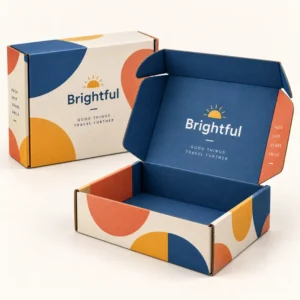
Custom mail boxes are a range of postal boxes made to your sizes and branding, so every order leaves in packaging that looks and performs the same. They suit businesses that post many different products, or the same product in different quantities, and want consistency across the whole range. With a planned set of sizes, custom mail boxes make packing quicker, damage easier to trace and every parcel familiar and professional.
Building a range of custom mail boxes that works together
A good range starts with your best selling products, not with a catalogue of sizes. List the products you post most often, group them by size and weight and look for the smallest number of box sizes that covers them without large amounts of empty space. Three or four well chosen sizes often cover a whole catalogue better than ten sizes that are rarely used. Each size should have a clear job, such as small single items, medium sets, large or multi item orders and a size for fragile goods that need extra protection.
Consistency across the range matters for brand recognition. Use the same logo position, the same brand colours and the same handling messages on every size, so a small parcel and a large parcel are instantly recognisable as coming from the same business. Inside, use a consistent style for tissue, inserts or messages. Customers who order twice should feel they are dealing with the same brand, even if the second parcel is a different size.
Choosing sizes for different order types
Small boxes suit single items such as a jar, a bottle, a book or a small gift set. Medium boxes suit pairs, sets and clothing orders that need room without crushing. Large boxes suit multi item orders, hampers and subscription parcels with several products. A dedicated fragile size, with stronger board and room for an insert, can save money overall because it reduces breakages and replacements, even if that one size costs slightly more to produce than a standard carton.
Planning for growth and seasonal change
Ranges should leave room to grow. If a new product is planned, check whether an existing size can take it with a simple insert change, rather than adding a new box immediately. Seasonal products, such as gift sets, may need a temporary size or a printed sleeve that turns a standard box into a seasonal parcel. Planning the range once, then reviewing it after a busy season, keeps stock manageable and avoids a packing bench crowded with half used sizes.
Materials and print across a full mail box range
Corrugated board is the workhorse for mail boxes, because it protects well without adding excessive weight. Lighter grades suit small, light parcels. Stronger grades suit larger parcels, heavier orders and parcels that will be stacked in a warehouse or a delivery vehicle. White board gives bright print and a clean retail feel. Kraft board gives a natural look that suits handmade, food and eco focused brands. Using the same board family across sizes keeps the range feeling coherent, even when grades differ by size.
Print should be planned as a system, not box by box. Decide which elements appear on every size, such as logo, website and handling marks, and which elements change, such as size specific messages or seasonal artwork. Full colour print can carry illustration and photography, while single colour print can be striking when the logo and layout are strong. Proof the smallest and largest sizes, because artwork that looks balanced on a large box can look crowded on a small box, and small text can become hard to read when it is reduced.
Packing efficiency for repeat orders
A range of custom mail boxes improves packing speed when staff can reach the right size without measuring every order. Label storage clearly, keep the most used sizes closest to the packing bench and train new staff on which size suits which product group. Boxes that arrive flat save storage space, but they must fold quickly and hold their shape. A box that is slow to assemble will cost more in labour over a year than a slightly simpler design that packs in seconds.
Reducing damage and returns across many parcels
Damage often comes from a size mismatch rather than a weak box. A product that can move inside a large box will hit the walls during transit. A product squeezed into a small box will press against flaps and corners. Track which sizes generate the most damage reports and adjust those sizes or their inserts first. Small changes, such as a divider for multi item orders or a stronger base for heavy orders, can reduce returns far more effectively than changing the whole range at once.
Ordering custom mail boxes in quantity
Ordering a range begins with a size chart for your products, quantities per size and artwork for each panel. Quantities do not need to be equal across sizes. Order more of the sizes you use daily and fewer of specialist sizes, and review usage after the first run. If storage is tight, ask about delivery in stages or about flat packed supply, so boxes do not take over the packing area. For presentation focused single boxes, see custom mailer box for presentation led orders, and browse the full shop range.
After final artwork approval, standard lead times are 10 to 14 working days, corrugated boxes are 12 to 15 working days and rigid or specialist boxes are 13 to 16 working days. These are production lead times, not a guaranteed delivery date, so plan reorders before stock runs low. A simple reorder trigger, such as reordering when a size falls to two weeks of stock, avoids emergency packing with the wrong size. Delivery details are on the delivery information page. To discuss a range, use the get a quote form.
Reviewing the range after the first run
After the first run, review packing time, damage reports, customer comments and leftover stock by size. Retire sizes that are rarely used, resize sizes that always need extra void fill and keep sizes that pack quickly and arrive well. This review turns a first order into a range that improves with use, rather than a set of boxes that stays fixed while products and order patterns change.
Keeping branding consistent when sizes change
When a size is added or retired, keep the core brand elements unchanged. Logo, colours, type style and handling messages should stay recognisable. Only the layout should adapt to the new panel size. That discipline protects brand recognition and means customers do not need to relearn what your parcel looks like each time they order.
Frequently asked questions
How many sizes should a range include?
Start with the smallest set that covers your most common orders without large empty space, often three or four sizes. Add sizes only when a product group consistently needs a different fit or a different level of protection.
Can different sizes share the same print?
Yes, with layout adjustments. Keep logo, colours and handling messages consistent, but check artwork on the smallest and largest sizes, because text and images scale differently and can look crowded or faint if copied without adjustment.
Are custom mail boxes suitable for subscription parcels?
Yes. A consistent box size and print help subscribers recognise each delivery, and a planned internal layout makes packing repeat parcels faster and more reliable.
How long does production take?
After final artwork approval, standard lead times are 10 to 14 working days, corrugated boxes are 12 to 15 working days and rigid or specialist boxes are 13 to 16 working days. These are production lead times, not a guaranteed delivery date.
What if one size is used far more than the others?
Reorder quantities can differ by size. Order more of high use sizes and fewer of specialist sizes, and set a reorder trigger so popular sizes do not run out during a busy period.