
custom mail box
Showing the single result
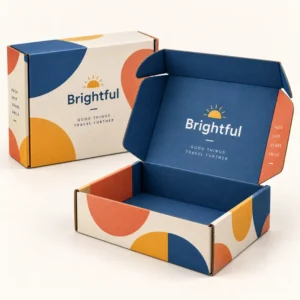
A custom mail box is a postal box made for one item, sized to that item and printed for the sender who wants a single order to arrive safely and look considered. It suits a gift, a sample, a small product or a replacement part where a generic carton would be too large or too plain. When the box fits well, the product is held steady, less void fill is needed and the opening feels intentional rather than improvised.
When a custom mail box is the right choice
Choose a single custom mail box when most of your parcels contain one product and that product matters to the customer. A candle, a bottle, a book, a piece of jewellery in its own case or a skincare set all benefit from a box that was planned around them. The same logic applies to samples sent to stockists, press parcels and welcome packs, where the box is part of the first impression and may be photographed or shared.
It is also a practical choice for businesses that post a hero product again and again. Once the size, board and print are settled, packing becomes faster because staff are not trimming void fill or hunting for a carton that is close enough. The box folds the same way every time, the product sits in the same place and the finished parcel looks consistent, whether it is the first order of the day or the fiftieth.
Understanding the product before choosing the box
Start with the product as the customer will receive it. Is it already in its own retail carton, pouch or case, or will the mail box be its only protection? A product in a sturdy inner carton needs a snug outer box and light cushioning. A loose product needs more structure inside the box, such as a card insert, a divider or a fitted nest that stops it rolling or sliding. Weight matters too, because a heavy single item places more strain on the base and on the tape seal than a light item of the same size.
Measuring a single product correctly
Measure length, width and height at the widest points, including any lid, cap or handle that adds size. Then add the thickness of any inner packaging and a small allowance for cushioning. If the product is round, measure diameter and height and check that it cannot roll across the box. A quick test with a mock pack made from card can reveal problems, such as a lid that will not close flat or a corner that presses against the product, before any print is ordered.
Materials, print and protection for a custom mail box
Corrugated board is the usual choice for a postal box because it combines lightness with strength. A fine flute gives a smoother surface for print and a neat appearance for retail style parcels. A coarser flute gives more cushioning and stacking strength for heavier or more fragile single items. Kraft board gives a natural, understated look, while white board gives a cleaner base for bright colours and detailed artwork. The choice should follow the product, the brand and the journey, not fashion alone.
Print on a single mail box can be restrained or bold. A logo and a short brand line on the lid may be enough for a premium product that speaks for itself. A full pattern, an illustration or a message on the inside lid can turn a simple delivery into a memorable moment. Keep handling information clear and legible. If the parcel needs to stay upright or needs care in handling, that message should not be hidden inside a busy pattern.
Inside the box: inserts, tissue and simple protection
The inside of the box does as much work as the outside. Tissue paper softens the opening and protects surfaces from scuffing. A card insert with a shaped cut out holds a bottle or jar in place and stops it moving from side to side. A divider separates two small items that would otherwise knock together. Foam is useful for delicate or high value items, but it should be used only where card or corrugated protection cannot do the job, so the pack stays easy to recycle where possible.
Keeping the pack easy to open and easy to recycle
Customers judge packaging by how it opens as well as how it looks. A lid that lifts cleanly, a tear strip that works first time and a product that lifts out without force all add to a good experience. Avoid layers of tape, staples or mixed materials that make opening frustrating or recycling confusing. Where a protective element is needed, choose one that can be separated easily from the board box at the end of its life.
Ordering a custom mail box and planning lead time
To order, share the product dimensions and weight, the quantity you need, whether the product will be in inner packaging and any artwork you want printed. A single product box is often ordered in a modest quantity at first, so a sample check is especially valuable. Pack the real product, seal the box, shake it gently and open it as a customer would. Check print position, lid closure and product fit before confirming a larger run. Related options include custom mailer box for presentation led orders and the full shop range.
After final artwork approval, standard lead times are 10 to 14 working days, corrugated boxes are 12 to 15 working days and rigid or specialist boxes are 13 to 16 working days. These are production lead times, not a guaranteed delivery date. If the box is needed for a product launch, a gift season or a press mailing, allow time for artwork approval and for a sample. Delivery details are on the delivery information page, and a tailored request can be sent through the get a quote form.
What to include in a quote request
A good quote request answers five questions: what is the product, what are its dimensions and weight, how many boxes are needed, what print is wanted and when is the box needed. Add a note about fragility, liquids, temperature sensitivity or any presentation on opening, because each of these can change the board or the internal fit. Clear information at this stage leads to a box that fits first time and avoids costly rework.
Testing the finished box before wider use
Before using the box for live orders, post a test parcel to yourself or to a colleague. Check arrival condition, print clarity after transit and how the product looks on opening. Ask the recipient what they noticed first and whether anything felt awkward. Those observations are more useful than a studio photograph, because they reflect the real journey from packing bench to doorstep.
Frequently asked questions
Is a custom mail box different from a mailer box?
In packaging use, the terms overlap, but a custom mail box here means a box made for posting a single item, while a mailer box often emphasises retail presentation and a self locking lid. The best choice depends on whether protection in transit or presentation on opening matters more for that product.
What size should I order for one product?
Order a size based on the product plus its inner packaging and a small allowance for cushioning. Measure at the widest points and test pack the real product. A snug fit protects better than a large box filled with loose void fill.
Can one box be printed inside and outside?
Yes. Outside print is used for branding and handling messages, while inside print can carry a thank you note, care instructions or a pattern. Keep handling messages clear and avoid burying them in busy artwork.
How long does production take?
After final artwork approval, standard lead times are 10 to 14 working days, corrugated boxes are 12 to 15 working days and rigid or specialist boxes are 13 to 16 working days. These are production lead times, not a guaranteed delivery date.
Do I need an insert for a single item?
Not always, but an insert helps when the product is round, fragile, heavy or likely to move. A card insert, divider or fitted nest keeps the product in place and improves the opening experience.