
cheap postage boxes
Showing the single result
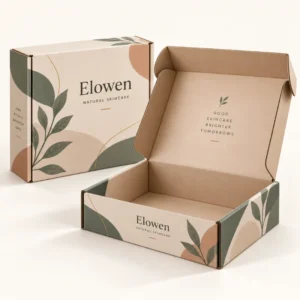
cheap postage boxes help online sellers keep posting simple, because the right size can make the difference between a parcel that fits the intended format and one that is larger, heavier or more awkward than it needs to be. A well sized postage box protects the contents, takes a label cleanly and stacks neatly for collection or drop off. For sellers who post every day, that practical fit is just as important as how the box looks.
How cheap postage boxes relate to Royal Mail formats
Royal Mail formats are based on size and weight, not just on the name of the service. A letter is the smallest format, a large letter allows a larger, flatter item, and parcels cover larger and heavier items. The exact limits depend on the service chosen, so it is important to check the current Royal Mail guidance for the service you use before settling on a box size. A box that is a few millimetres too deep can move a parcel into a different format, while a box that is well matched keeps posting predictable.
As a general guide from Royal Mail business information, a large letter can be up to 35.3 cm long, 25 cm wide and 2.5 cm deep, with a weight limit that depends on the service. A parcel can be up to 61 cm long, 46 cm wide and 46 cm deep. Those are maximum outer dimensions for the format, not a recommendation to fill every box to the limit. In practice, most sellers choose a box that fits the product with a little room for protection, then check that the finished, packed parcel stays within the format they intend to use.
Large letter boxes for flat items
Large letter boxes suit slim items such as books, magazines, documents, jewellery in a flat pouch, small cosmetics and craft supplies. The challenge is depth: the packed parcel, including the box, the product and any filling, must stay within the depth limit. That means a shallow box, minimal filling and a product that lies flat. If the product bulges, the parcel may no longer qualify, even if the empty box looked right. Always measure after packing, not before.
Testing a large letter parcel
Pack a real example, close it, tape it and measure length, width and depth at the thickest point. Weigh the finished parcel as well. Repeat the test with your largest normal item for that size, because a size that works for a slim book may fail for a thicker notebook or a boxed set. Keeping one tested example on the packing bench helps staff spot when a parcel is getting too deep.
Small parcel and larger cheap postage boxes
Small parcel boxes suit the majority of ecommerce orders: clothing, skincare sets, candles, gift sets, small electronics in protective packaging and multi item orders. They give enough depth for filling and for a protective wrap, without the bulk of a large shipping carton. For larger or heavier orders, a deeper parcel box with stronger corrugated board is the better choice, because it can handle stacking and courier handling as well as postal delivery.
Board choice follows the same logic as other postal boxes. Kraft board is practical, strong and easy to label, while white board gives a cleaner look for branded print and for handwritten or printed addresses. Corrugated board adds cushioning and stacking strength, which matters when parcels are collected in bulk or stored before dispatch. For very light, flat items, a lighter board may be enough, but for anything fragile or valuable, a stronger board and proper filling are worth the extra material.
Keeping postage costs under control
The most effective way to control postage costs is to avoid posting air. Choose the smallest box that protects the product, use filling only to stop movement, and avoid a box that is far larger than the contents. Standard sizes can help here, because they are designed around common postal formats and common product types. A bespoke size can also help, when a standard size is consistently too large for your best selling product and a closer fit would keep parcels tidier and easier to handle.
Labelling for a smooth journey
Place the label on the largest flat panel, keep it clear of folds and tape joins, and make sure any barcode is flat and unscuffed. A label that wraps around a corner or sits across a crease can be hard to scan and can delay delivery. If you print branding on the box, keep the label area clear in the design, so staff do not have to choose between covering your logo and placing the label badly.
Choosing board, print and quantity for cheap postage boxes
Many sellers start with plain kraft or white postage boxes, then add print once a size has proved itself. Print can be as simple as a logo on one panel, which helps customers recognise the parcel and helps with brand recall. Full colour print across the box is an option for established brands, but a simple, bold print often reads better on a small postal box, where space is limited and the label takes up part of the surface.
Quantity planning matters for postage boxes, because running out means either delaying orders or using a substitute size that may not fit the intended format. Keep a buffer stock for busy periods, and reorder when stock falls to a level that covers the lead time plus a safety margin. Standard lead times after final artwork approval are 10 to 14 working days, while corrugated formats are usually 12 to 15 working days. Those times are a planning guide, not a guaranteed delivery date.
Storage, assembly and everyday packing
Postage boxes supplied flat store compactly and assemble quickly, which is ideal for home based sellers and small dispatch areas. Keep them dry, flat and sorted by size, with the most used size easiest to reach. A simple packing routine, with a scale and a measuring guide nearby, helps staff check size and weight before a parcel is sealed. That routine reduces surprises at the post office or at collection, and it keeps customers informed about delivery expectations.
Recycling after delivery
A board postage box is usually easy for the recipient to recycle through paper recycling, once tape and labels are removed where practical. Avoid plastic windows, heavy coatings or mixed materials if recycling matters to your brand, because they can complicate the process. A short note inside the box can explain recycling in plain language, without making the parcel feel like a leaflet.
Ordering cheap postage boxes with a clear specification
Your quote request should state the internal size, the product type, the packed weight, the board preference, the print requirement and the quantity. Mention the postal format you aim to use, and whether parcels also go by courier, because that affects board strength. If you are unsure about a size, describe your most common products and ask for guidance on the closest standard size, rather than guessing from a catalogue alone.
For current format limits and service details, see Royal Mail UK parcel and letter services. To order, use the get a quote page, browse the shop, compare cheap mailer boxes for branded orders, and check delivery information and the about us page before confirming.
Frequently asked questions
What size postage box do I need for a large letter?
Choose a shallow box that, once packed and taped, stays within the large letter limits for your chosen service. Measure the finished parcel at its thickest point and weigh it, because the packed size, not the empty box size, decides the format.
Are cheap postage boxes strong enough for daily posting?
Yes, when board matches the product. Corrugated board suits most daily orders, with stronger board for heavier or fragile items. A snug fit and good filling reduce movement, which is the main cause of damage.
Should I use kraft or white postage boxes?
Kraft board is practical and suits simple branding, while white board gives a cleaner surface for bright print and for labels. Choose based on your artwork, your brand and how much of the box surface the label will cover.
Can I add my logo to a postage box?
Yes. A simple logo on a clear panel works well, provided the label area is kept clear in the design. Start with outside print on one or two panels, and add more detail once the size has proved itself in daily use.