
box for postage
Showing the single result
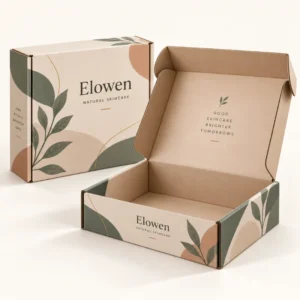
A box for postage is a cardboard box made to carry an item through the postal system safely, from the packing bench to the recipient’s doorstep. It is stronger than a storage carton, sized to suit a postal format where possible, and easy to label, seal and stack. For online sellers, small businesses and anyone who posts regularly, a box for postage is the difference between a parcel that arrives looking professional and a parcel that arrives battered, bent or burst open.
Choosing a box for postage for your items
Start with the item, not the postage label. Measure length, width, height and weight after the item is wrapped or placed in its inner packaging, because padding adds size and weight that can move a parcel into a different format. Choose a box that gives a small margin around the item, with room for padding in any gaps, but not so much room that the item can slide around inside. A snug box protects better than a large box filled with loose void fill.
Think about fragility next. A sturdy, non fragile item such as a book, a garment or a set of prints may only need a single wall corrugated box with a small amount of padding. A fragile item such as glass, ceramics or electronics needs a stronger box, more padding, and ideally an insert that holds the item away from the walls of the box. A very heavy item needs double wall board and a reinforced base, even if the item itself looks robust.
Consider how the parcel will be handled. Postal parcels are sorted, stacked and carried in totes and vans, so a box needs to resist stacking pressure from above and knocks from the side. A box with a self locking lid can speed up packing for light items, while a taped carton with full flaps can suit heavier items that need a firm seal. box for shipping formats in heavier board can suit larger or heavier postal orders, while a slim postal box suits flat items that need to stay flat.
Large letter, small parcel and medium parcel formats
Postal formats in the UK are based on size and weight, and choosing a box that fits a format can keep posting simpler. A large letter box suits slim, flat items that can pass through a letterbox, such as documents, thin books and flat accessories. A small parcel box suits most online orders, including clothing, small electronics and gift sets. A medium parcel box suits larger or heavier orders that still fall within carrier limits.
Measuring the finished parcel correctly
Measure the outer dimensions of the sealed parcel, not the empty box, and weigh it on a scale. Include the label, tape and any outer wrapping in the measurement, because a bulging parcel or a label placed over a fold can change the effective size. If a parcel is close to a format limit, test it with the actual item and padding you will use, rather than relying on a supplier size chart alone.
Materials for postal boxes
Corrugated board is the usual material for a box for postage, because the fluted layer cushions knocks while keeping the box light. Kraft board gives a natural look and prints well in simple colours. White board gives a clean surface for full colour print and a brighter arrival. Recycled board is widely used and can be recycled again after delivery, which suits sellers who want to keep packaging waste low. For a premium order, a white or printed box can make the arrival feel like part of the purchase, not just a container.
Single wall and double wall board compared
Single wall board has one fluted layer between two liners and suits light to medium parcels. Double wall board has two fluted layers and suits heavy, fragile or stacked parcels. Double wall board adds weight and cost, so use it where protection matters, and use single wall board where a lighter box will do the job well. A double wall box for a light item is wasteful, while a single wall box for a heavy item is a false economy if the parcel fails in transit.
Box for postage sizes for common orders
Small postal boxes suit jewellery, phone accessories, small cosmetics and single small gifts. Medium postal boxes suit clothing, books, toys and multi item orders. Large postal boxes suit shoes, larger gifts, bedding sets and bulk orders. If you post a wide range, holding three sizes will usually cover most orders, with a slim large letter style box for flat items as a fourth option.
Flat packed supply helps with storage. Postal boxes arrive flat and can be stacked on a shelf or in a cupboard until needed, which matters for home sellers and small shops with limited space. Keep boxes dry and flat, and avoid storing them under heavy cartons that can crease the top sheets. A dry, organised packing area will keep boxes in good condition and packing times short.
Postal size limits change from time to time, so check the current guidance before you set a box size for a large run. The Royal Mail size and weight guide gives the current limits for letters, large letters and parcels, and it is a useful reference when you are choosing between two box sizes that sit either side of a format boundary.
Sealing, labelling and presenting a postal box
Seal a postal box along the centre seam and across the ends for a heavy parcel, and press tape firmly so it cannot lift in handling. Place the address label on a flat panel, away from folds, seams and tape edges, so it can be scanned easily. If you include a returns label or a thank you card, place it inside the box where it will not be lost when the box is opened, and keep the outer panel clear for the delivery label.
Branding that survives the postal journey
Printed branding on a postal box should be bold enough to survive handling, labels and tape. A logo on the top panel, a colour on the side panels, or a short message inside the lid can all work, provided the address area stays clear. Avoid placing essential branding where a label will cover it, and test a printed sample with a real label applied, so you can see what the customer will actually see on arrival.
Custom printed box for postage and lead times
Custom printing can turn a plain postal box into a recognisable part of your brand. A single colour logo on kraft board can look refined and honest, while full colour print can carry a seasonal design, a product illustration or a bold pattern. Inside print can thank the customer, explain how to return an item, or suggest a related product, without adding a separate leaflet.
After final artwork approval, standard lead times are 10 to 14 working days, and corrugated lead times are 12 to 15 working days. These lead times are not a guaranteed delivery date, so plan around sales, launches and seasonal peaks, and order earlier than you think you need to if a peak is approaching. To discuss sizes, quantities and artwork, request a quote with your item measurements and usual order volume.
Before a bulk order, pack and post a sample to yourself or a colleague, using the exact item, padding and label you will use in production. The sample will show whether the box size is right, whether the seal holds, and whether the print looks good after a real journey. You can browse the shop for related mailer formats and delivery information for details that apply to your order.
Sustainability for postal packaging
Paper based postal boxes can be recycled with paper and card after use, subject to local rules on tape and labels. Using the smallest box that protects the item well reduces board use, reduces void fill, and can keep the parcel in a lower postal format, which also reduces handling. Avoid plastic void fill where paper void fill will do the job, and say clearly on the box or in your dispatch message how the customer can recycle the packaging.
Reducing damage and returns
Damage in transit creates waste, replacement shipments and unhappy customers, so the most sustainable postal box is often the one that protects best, not the lightest box available. A well chosen box, with correct sizing and adequate padding, will usually cost less overall than a cheaper box that leads to returns, replacements and extra postage.
Frequently asked questions
What is a box for postage?
A box for postage is a cardboard box made to carry an item safely through the postal system. It is stronger than a storage carton, easy to seal and label, and sized to suit the item and, where possible, a postal format.
What size box for postage do I need?
Measure your item after wrapping, add a small margin for padding, and choose a box that holds the item snugly without letting it slide. Weigh and measure the sealed parcel to confirm the postal format before posting regularly in that size.
Can a box for postage be used for fragile items?
Yes, with the right board and padding. Use a stronger box, an insert that holds the item away from the walls, and enough padding to stop movement. Test a sample parcel before posting fragile items in volume.
Can I have my logo printed on a postal box?
Yes, postal boxes can be printed with logos, colours and messages, subject to artwork approval. Keep the address area clear and test a sample with a label applied so branding remains visible on arrival.
Are postal boxes recyclable?
Most corrugated postal boxes can be recycled with paper and card after use, subject to local rules on tape and labels. Remove non paper inserts where local guidance asks for that, and follow your local collection rules.