
bottle postage box
Showing the single result
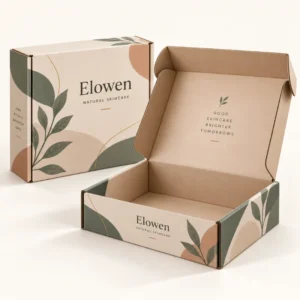
A bottle postage box is a strong corrugated box made to carry one or more bottles safely through the post. It holds each bottle upright or in a secure lay flat position, separates bottles so they cannot knock together, and protects the neck, shoulder and base, which are the points most at risk in transit. For wineries, distilleries, gift sellers and online drinks retailers, a bottle postage box turns a fragile shipment into a parcel that can be packed quickly and opened with confidence.
Choosing a bottle postage box for your bottles
Start with the bottle itself, not the box. A standard 75cl wine bottle is tall and slim, a champagne bottle is broader at the base and heavier, and a spirits bottle can be short, square or unusually shaped. Measure height, diameter at the widest point, and weight, then choose a box with an insert that matches those measurements. A box that is too tall lets the bottle move up and down, while a box that is too wide lets it lean and knock against the wall.
Count matters as well. A single bottle box is ideal for a gift or a sample, while a two bottle, three bottle or six bottle box suits a mixed case, a tasting set or a subscription delivery. Multi bottle boxes need dividers that run the full height of the bottles, otherwise bottles can lean into each other at the top even when the bases are separated. Check that dividers fit snugly and cannot collapse under the weight of a full case.
Closure and presentation are part of the choice too. A self locking mailer can speed up packing for a single bottle, while a lidded carton with a printed sleeve can suit a premium gift. box for shipping styles in a heavier board may suit larger cases, while a dedicated bottle format will usually give better neck and base protection for a single bottle.
Single bottle, multi bottle and lay flat formats
Single bottle boxes often use a tube style or a tall carton with a neck lock that grips the bottle below the cap. This stops the bottle rising in transit and keeps the label facing the right way for opening. Multi bottle boxes often use a grid divider or a moulded insert, with each bottle in its own cell. Lay flat boxes hold bottles on their sides, which can suit a gift presentation and can reduce overall parcel height, but the bottles must still be held firmly so they cannot roll.
When a lay flat box works best
A lay flat box works best for two or three bottles of similar size, presented as a set. The flat presentation looks generous when the lid is lifted, and the lower height can help with storage and shelf display. For a single bottle that will travel a long distance, an upright box with a neck lock is usually the safer choice, because the bottle cannot roll and the base takes the weight evenly.
Materials and inserts that prevent breakage
Corrugated board is the standard material for bottle postage boxes because it absorbs shock and can be formed into dividers, trays and neck locks. Single wall board suits a light single bottle, while double wall board suits a heavier case or a long journey with multiple handling stages. Moulded pulp inserts, corrugated dividers and foam sleeves each have a role, and the right combination depends on bottle weight, fragility and the level of presentation you want.
Protecting the neck, shoulder and base
The neck is vulnerable because it is narrow and carries the closure. A neck lock or a snug insert at the top prevents movement that could loosen a cork or damage a capsule. The shoulder needs side support so the bottle cannot tip, and the base needs a flat, cushioned seat so a drop does not concentrate force on one point. Packing that supports all three points will outperform packing that only pads the sides.
Bottle postage box sizes and postal considerations
Size and weight decide both protection and postal format. Weigh the finished parcel, including box, inserts, bottle and any gift wrapping, because the packed parcel is what the carrier measures. A single bottle parcel often falls into a small parcel band, while a six bottle case will usually need a larger parcel service and a stronger outer carton. The Royal Mail size and weight guide gives current size and weight limits and is worth checking when you set a bottle box size for regular posting.
Alcohol posting needs extra care. Some carriers have rules about alcohol, age verification, labelling and destinations, and those rules can change. Check the current rules of the carrier you plan to use before you offer a bottle by post, and make sure your checkout, labelling and delivery instructions match those rules. If a carrier will not carry a particular product to a particular destination, do not force the shipment into a general parcel box and hope it passes through handling unnoticed.
Labelling a bottle parcel clearly helps everyone in the chain. Mark the parcel as fragile where that is appropriate, keep the address label flat and clear, and avoid placing tape over a printed warning or over the opening strip. If the bottle is a gift, keep the invoice or price information inside the box or in a separate message, rather than on the outer panel where the recipient will see it on arrival.
Packing a bottle step by step
A calm, repeatable packing routine reduces breakages more than any single material choice. Inspect the bottle for chips or a loose closure before packing, because a fault that is missed at the bench will not improve in transit. Place the bottle in its insert, check that it sits upright and cannot wobble, add the divider or top pad, close the box and seal it firmly. A gentle shake test will reveal movement before the parcel leaves the building.
Avoiding the most common bottle packing faults
The most common faults are a bottle that is too loose in its cell, a divider that stops short of the neck, and a box that is sealed without a top pad, which lets the bottle rise and fall. Another common fault is mixing bottle shapes in one case without checking that each cell fits each bottle. A mixed case needs inserts that suit the largest and the smallest bottle in the set, or separate boxes for different shapes.
Custom printed bottle postage box options
Printed bottle boxes carry your brand from the shelf to the doorstep. A winery can print a vineyard image, a distillery can print a bold label design, and a gift seller can print a seasonal message that suits Christmas, birthdays and anniversaries. Inside print can carry tasting notes, serving suggestions or a thank you message, which adds value without adding a separate leaflet that can slip out of place.
For printed boxes, allow time for artwork approval and production. After final artwork approval, standard lead times are 10 to 14 working days, corrugated lead times are 12 to 15 working days, and rigid or specialist lead times are 13 to 16 working days. These lead times are not a guaranteed delivery date, so plan around harvest releases, festive peaks and subscription dispatch days. To discuss bottle sizes, quantities and artwork, request a quote with your bottle measurements and the number of bottles per box.
Before ordering in bulk, test a printed sample with a real bottle, including a drop test from bench height onto a firm surface and a short journey by post to a colleague. The test will show whether the insert holds, whether print survives handling, and whether the box opens cleanly. You can also browse the shop for related mailer formats and delivery information for details that apply to your order.
Sustainability and reuse for bottle boxes
Corrugated bottle boxes can be recycled with paper and card after use, and moulded pulp inserts can often be recycled in the same stream, subject to local rules. Reusable inserts and returnable cases suit some subscription models, where customers return the box and inserts for the next delivery. If you promote a box as recyclable, make sure the whole pack, including tape and labels, can actually be recycled in the way you describe, or say clearly which parts need separate disposal.
Choosing inserts with a lower impact
Paper based dividers and pulp inserts usually have a simpler recycling route than mixed material foam, although foam can be the right choice for a very fragile or high value bottle. Balance protection against impact: a broken bottle creates far more waste, including glass, liquid and a replacement shipment, than a slightly heavier paper insert. Protection first, with the simplest recyclable insert that still does the job, is a sound rule for most bottle sellers.
Frequently asked questions
What is a bottle postage box?
A bottle postage box is a corrugated box with inserts or dividers that hold bottles securely for posting. It protects the neck, shoulder and base, stops bottles knocking together, and gives a tidy presentation on opening.
Can I post a single bottle of wine in a bottle postage box?
Yes, single bottle boxes are made for that purpose, with a neck lock or snug insert to hold the bottle upright. Check your chosen carrier rules for alcohol before posting, and weigh the finished parcel to confirm the correct service.
How many bottles can a bottle postage box hold?
Bottle boxes are made for one, two, three, six or more bottles, depending on the format. Multi bottle boxes use dividers so each bottle sits in its own cell and cannot knock against its neighbours.
Will a bottle postage box stop breakage?
A well fitted bottle box greatly reduces the risk of breakage, but no packaging can guarantee against every drop or impact. Correct sizing, full height dividers, top padding and a firm seal all help, and a test shipment is the best way to prove a format for your bottles.
Can bottle postage boxes be printed with my branding?
Yes, bottle boxes can be printed with logos, artwork and messages inside and out, subject to artwork approval. Share your bottle sizes, bottles per box and quantity so the print area and lead time can be confirmed.