
book mailers
Showing all 2 results
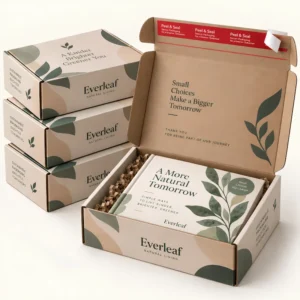
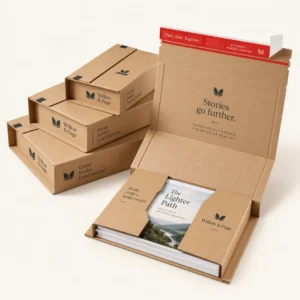
book mailers are lightweight postal packaging made to wrap around a book and hold it flat and secure for posting, without the bulk of a full shipping carton. They are usually made from corrugated board, fold around the title, and close with a self seal strip or a tape seal, giving a compact parcel that is easy to label and easy to open. For sellers who post single paperbacks, catalogues, magazines and other flat printed items, book mailers offer a practical balance of protection, presentation and postal efficiency.
Why book mailers suit single titles and flat items
A single paperback does not need a large carton. A large carton adds weight, adds filler and lets the book move, which is exactly what causes corner damage. A book mailer wraps tightly around the title, so the book itself gives the parcel its shape and the corrugated board gives it rigidity. That snug wrap keeps the cover flat, protects the spine and stops the book from bending in sorting.
Book mailers also suit flat printed items beyond books. Catalogues, magazines, art prints, manuals and photo books share the same need for a flat, rigid parcel that cannot bend. A mailer that fits those items well reduces the number of packaging types a seller needs to hold, and it gives customers a consistent parcel to open, whether they ordered a novel, a catalogue or a print.
Book wraps, flat mailers and rigid mailers compared
A book wrap is a corrugated wrap with variable depth creases that folds around a book of varying thickness. One wrap size can cover several paperback thicknesses, because the creases allow the depth to be adjusted at packing. That flexibility is useful for sellers with a mixed catalogue, and it reduces stock holding compared with holding a separate box for every thickness.
A flat mailer is a simpler, shallower format for very slim items, such as a single thin paperback, a magazine or a set of prints. It gives a clean, compact parcel, but it suits only items that are genuinely flat, because a thicker book will bulge the mailer and strain the seal. A rigid mailer, often made from stronger board, suits valuable or signed titles where extra rigidity is worth the additional weight and material.
The choice depends on thickness, weight and value. For most single paperbacks, a book wrap with variable depth is the most flexible option. For a thin magazine or a print, a flat mailer is more efficient. For a signed hardback or a valuable art book, a rigid mailer or a mailer box inside a postal outer may be the safer choice, because the extra layer protects corners that a single wrap cannot fully protect.
Variable depth creases explained
Variable depth creases are scored lines across a book wrap that let the packer fold the wrap to the thickness of the book inside. The packer places the book on the wrap, folds the sides around it and seals at the crease that matches the book thickness, so the finished parcel is snug rather than loose. That snug fit is the main advantage of a book mailer over a standard carton, because it removes the empty space where damage usually starts.
Materials, seals and easy opening
Corrugated board is the usual material for book mailers, because it is light, rigid and recyclable. E flute corrugated board is common for mailers, because it gives a smooth surface for print and labels while still protecting against bending and impact. Kraft board gives a natural look and suits independent publishers, while white board gives a cleaner surface for full colour print and for a bright label area.
Seals affect both packing speed and customer experience. A self seal strip lets staff pack quickly and gives a clean seal without tape. A tear strip lets the recipient open the mailer without scissors or a knife, which reduces the risk of cutting a cover. Test both the seal and the tear strip with a real book inside, because a seal that works on an empty mailer may fail under the weight of a thick paperback, and a tear strip that is hard to start can frustrate a customer.
Print and label areas on a mailer
Print on a book mailer should be clear and practical. A logo, a brand colour or a short message on the outer makes a parcel recognisable, while an inner print can carry a thank you note or a recommendation that appears on opening. Keep the address label area flat, clear and away from folds, because a label that creases or sits over a seal can delay sorting. Test the label placement on a packed mailer, not just on a flat sample, because folds change where a label actually sits.
Posting with book mailers in the UK
In the UK, postal format depends on the finished parcel size and weight, including the book and the mailer together. A slim paperback in a flat mailer may fit the large letter format, limited to 35.3 cm by 25 cm by 2.5 cm and 750g for most services, while a thicker paperback or a small set will fit the small parcel format, limited to 45 cm by 35 cm by 16 cm and 2kg. Check the current Royal Mail size guide before choosing a mailer size, because the book, the mailer and any protective wrap together determine the format, and a parcel that is just over a limit will be treated as the larger format.
Weigh a packed mailer before ordering at scale, because a book that feels light in the hand can be heavier than expected once a wrap, a label and any insert are added. A sample packed with your heaviest regularly posted title will reveal whether the mailer, the seal and the postal format all work together. That test is worth doing before a large run, especially for subscription or direct sales where the same format will be posted repeatedly.
Packing a book mailer well
Place the book flat on the mailer, centred so the edges are protected on all sides. If the title is valuable, add a protective wrap around the corners or around the whole book before folding the mailer, and make sure the wrap does not add so much thickness that the seal strains. Fold the mailer snugly, seal it firmly and check that no corner of the book sits proud of the mailer edge, because an exposed corner is the first point to suffer damage in transit.
For multiple flat items, such as a book plus a print or a bookmark, place the heaviest item at the bottom and keep thinner items flat on top, so nothing bends under weight. Avoid adding loose extras that can slide across a cover during transit. If extras are included, place them in a pocket or a separate flat sleeve inside the mailer, so the main book stays protected and the extras arrive in good condition.
Lead times and ordering
Standard book mailers usually take 10 to 14 working days after final artwork approval, while corrugated mailers usually take 12 to 15 working days. Those are production lead times, not a guaranteed delivery date, so allow extra time for sampling, proofing and seasonal demand. A sample with your most posted paperback format will confirm wrap, seal and label placement before a large order.
Ordering book mailers
To order, share your most posted formats, the thickness range you need to cover and whether you prefer a self seal strip, a tear strip or a taped seal. You can explore related options through book mailer boxes and book boxes uk, browse the full range in the shop, check delivery details on the delivery information page and learn more on the about us page. When ready, use the get a quote page to send sizes and artwork ideas for a quote. For current postal sizes, see the Royal Mail size and weight guide.
Quote only ordering lets the board, wrap style and seal be agreed before production, which is important for a mailer that must fit a specific postal format. Include the thickest and thinnest titles you post regularly in the brief, so the variable depth range can be chosen to cover both without excess material.
Frequently asked questions about book mailers
What is a book mailer?
It is lightweight corrugated packaging that wraps around a book and holds it flat for posting. It folds to the thickness of the title, seals with a self seal strip or tape, and gives a compact parcel that is easy to label and open.
How is a book mailer different from a book mailer box?
A book mailer wraps around the book and is usually shallower and lighter, while a book mailer box is a fuller carton with a base and a lid. Mailers suit single paperbacks and flat items, while mailer boxes suit thicker hardbacks, sets and heavier orders.
What thickness can a book mailer cover?
A book wrap with variable depth creases can cover several thicknesses with one size, because the packer folds at the crease that matches the book. Check the range with your thinnest and thickest regularly posted titles before ordering at scale.
Can book mailers be printed?
Yes, outer print can carry branding and inner print can carry a thank you note or recommendation. Keep the label area flat and clear, and test label placement on a packed mailer, not just on a flat sample.
How long do book mailers take after artwork approval?
Standard mailers usually take 10 to 14 working days and corrugated mailers usually take 12 to 15 working days after final artwork approval, with extra time allowed for sampling and proofing.