
book boxes
Showing the single result
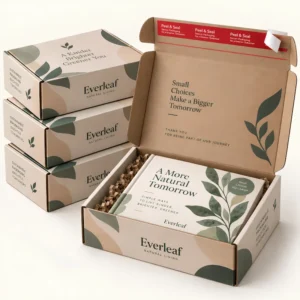
book boxes are boxes made to store, protect, present or post books, and the best box is shaped around the books it will hold. A good box keeps covers flat, spines upright and corners safe, while also carrying print that tells a reader, a shopper or a gift recipient what is inside. Whether the job is storage at home, a retail shelf or a parcel in the post, the right box makes the books easier to handle and harder to damage.
Why book boxes matter for every kind of book
Books are heavy for their size, and that weight concentrates on corners and spines. A box that is too large lets books slide and collide, while a box that is too small bends a cover or crushes a jacket during packing. A well sized box removes that movement, spreads the load across the board and keeps a stack upright during storage and transit. That simple control of movement prevents most of the damage that makes a new book look second hand.
Book boxes also help with organisation. A labelled box for a series, a subject or a school year is easier to find, move and shelve than a loose pile. For shops and libraries, a consistent box size makes displays tidier and stock counts quicker. For readers at home, a sturdy box protects books from dust, sunlight and damp during a move or a long period in storage, provided the box is kept in a dry place away from direct heat.
Storage boxes for home, school and office
Storage boxes are usually chosen for strength and stacking. Corrugated board handles weight well and keeps its shape when boxes are stacked, while a lid or a tuck flap keeps dust out. A box with a hand hole or a label panel is easier to move and identify, especially when several boxes hold similar titles. For long term storage, avoid overfilling, keep the heaviest books at the bottom and keep the box off a cold floor where moisture can collect.
For schools and offices, book boxes often hold sets of textbooks, manuals or reference volumes that are used and returned repeatedly. In that setting, a box that opens cleanly, closes securely and survives frequent handling matters more than a decorative finish. Reinforced corners and a firm base reduce the chance of a box splitting when it is lifted full, and a clear label area helps staff return each set to the right place.
Choosing board strength for heavier titles
Board strength should follow total weight, not just book count. A box of large hardbacks needs stronger corrugated board than a box of slim paperbacks, even if both boxes look the same size. Check the base, the corners and the closure, because those are the points that fail first under load. If a box will be stacked, choose a grade that holds its shape under the boxes above it, and test a full box before ordering a large run.
Retail and subscription book boxes
Retail book boxes have a second job beyond protection. They present a title, a series or a themed selection in a way that invites a shopper to pick it up. Print, colour and finish can echo the cover art or the theme of the month, and an interior print or a short message can turn opening into part of the experience. For subscription boxes, that interior matters, because the subscriber opens the box at home and judges the whole selection in that moment.
Subscription packaging also needs to work as a system. The outer box must survive posting, the inner layout must keep books and extras separate, and the whole parcel must open without damaging a cover. Tissue, a divider or a shaped insert can protect a book from a mug, a candle or a print included in the same box. A consistent box size also helps a subscription brand, because subscribers learn what to expect and can store or reuse the box easily.
Print and finish options that suit books
Full colour print reproduces cover art, illustration and brand colour with accuracy, and it works well on white card and on coated corrugated board. Kraft board gives a natural look that suits independent publishers, nature writing and heritage titles. Matte lamination softens glare and feels calm in the hand, while gloss adds richness to photography. Foil and embossing can highlight a title or a logo, but they work best when used sparingly so the book itself remains the focus.
Posting books in a box that fits
Posting is where sizing matters most. A snug box with a secure closure and a little protective padding around the corners will usually protect a book better than a large box filled with loose filler. Measure the book with its jacket, choose a box depth that holds the book firmly without bending it, and seal the box so it cannot pop open in sorting. For multiple books, a divider or a wrap around each title stops covers from rubbing together.
Think about the full postal journey, including stacking, drops and handling in wet weather. Corrugated board gives impact protection and a degree of rigidity that a soft envelope cannot match. A printed outer can also carry handling guidance and branding, but the address label area should stay clear and flat so the parcel can be scanned and sorted without delay. Keep the parcel as compact as the contents allow, because a compact parcel is easier to handle and less likely to be crushed.
Sizes, formats and measuring tips
Common book formats include pocket paperbacks, standard paperbacks, large format paperbacks and hardbacks, and each format needs a different internal size. Measure height, width and thickness with any jacket or protective cover in place, and measure the thickest book in a set. Allow a small clearance for packing, but avoid a gap large enough for the book to move. If books will be posted, measure again after adding any protective wrap, because that wrap adds thickness that a tight box may not allow for.
For a mixed order, consider a box with variable depth or an insert that adapts to different thicknesses. That flexibility reduces the number of box sizes a seller needs to hold, and it reduces waste from boxes that are far larger than the order. Keep a simple size chart for your best selling formats, and update it when a new format is introduced, so packing staff do not have to guess.
Lead times and ordering
Standard book boxes usually take 10 to 14 working days after final artwork approval, corrugated boxes usually take 12 to 15 working days, and rigid or specialist boxes usually take 13 to 16 working days. Treat those figures as production lead times, not as a guaranteed delivery date, and allow extra time for proofing, artwork changes and busy periods. A sample in the actual size is worth the wait when the box will hold a large or valuable order.
Ordering book boxes
To order, share the book formats, the number of titles per box, the selling route and the print direction. You can compare related options through book mailer boxes and book boxes uk, browse the full range in the shop, check delivery details on the delivery information page and learn more on the about us page. When ready, use the get a quote page to send sizes and artwork ideas for a quote.
Quote only ordering lets the specification be agreed before production, which is useful when a box must fit a specific edition or a specific postal size. Include quantities, board preference and any insert or divider in the brief, and note whether the box will be used for storage, retail or posting, because each use places different demands on strength and finish.
Frequently asked questions about book boxes
What size book box do I need?
Measure the finished book, including its jacket, at height, width and thickness. Choose a box that holds the book firmly with a small clearance for packing, and test the fit with the thickest title in the set.
Are book boxes suitable for posting?
Yes, when the box fits snugly, closes securely and uses strong corrugated board. Add corner protection for valuable titles, keep the address area flat and clear, and avoid a large box with loose filler that lets books move.
Which board is best for heavy hardbacks?
Strong corrugated board is usually the practical choice for heavy hardbacks, because it resists impact and stacking pressure. Rigid board suits premium presentation, but it is heavier and less suited to high volume posting.
Can book boxes be printed inside and outside?
Yes, many designs are printed on both surfaces. The outer carries branding and title information, while the inner can carry a message, a pattern or care guidance that appears on opening.
How long do book boxes take after artwork approval?
Standard boxes usually take 10 to 14 working days, corrugated boxes 12 to 15 working days, and rigid or specialist boxes 13 to 16 working days after final artwork approval, with extra time allowed for proofing.